
X-Men #1 (1963)
by Stan Lee & Jack Kirby
Little known fact, but the X-Men and the Avengers share the same cover date.
I’m guessing Marvel was more confident on the Avengers, which starred characters with a proven selling history, because that one doesn’t have the “In the sensational Fantastic Four style”.
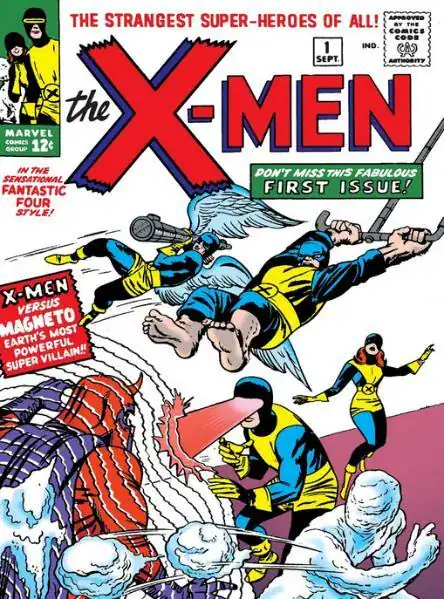
Since I’ve already talked about this issue because it’s also the first Magneto story, I will mostly focus on the X-Men themselves.
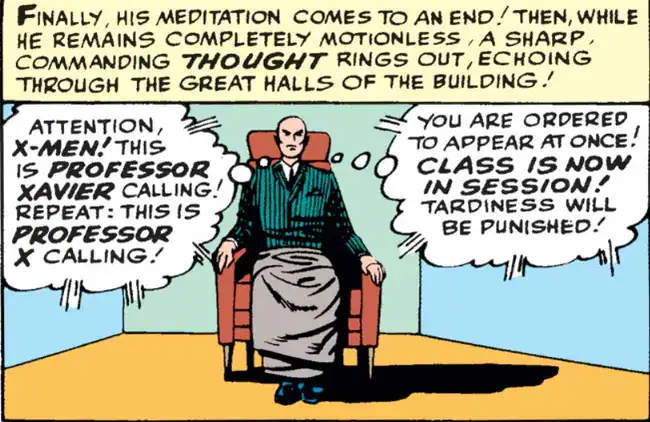
We begin at a private school in upstate New York, with Professor X calling his students.
Notice he’s sitting alone on a chair in an empty room, with no wheelchair in sight… since he’s alone there, how did he get there without using his legs?
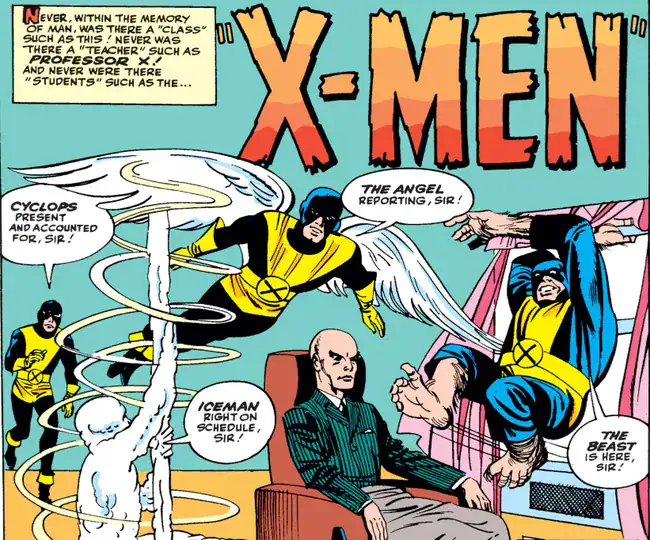
And the X-Men make their debut, with Iceman seemingly sliding out of Angel’s wing.
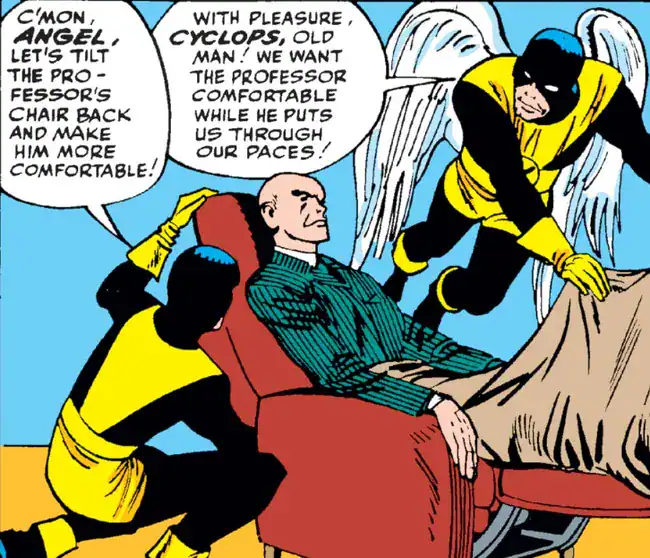
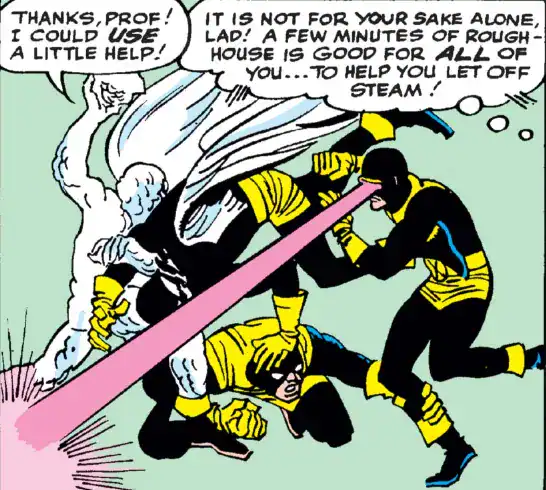
Cyclops, sucking up to the teacher since 1963.
As hinted by the cover, the Fantastic Four were clearly an inspiration for part of the team dynamic.
The earliest interactions between Iceman and Beast are definitely reminiscent of those between the Human Torch and the Thing.
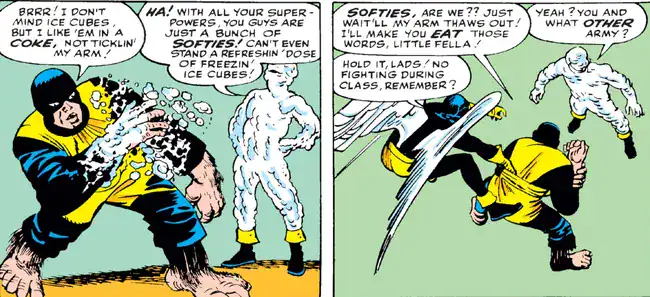
We’re a bit early for Professor X to be the classic mentor figure, he sounds way harsher and even militaristic at points… his teaching style sounds like “You have EXACTLY three seconds!!! Do it NOW!!! No mistakes!!!”.
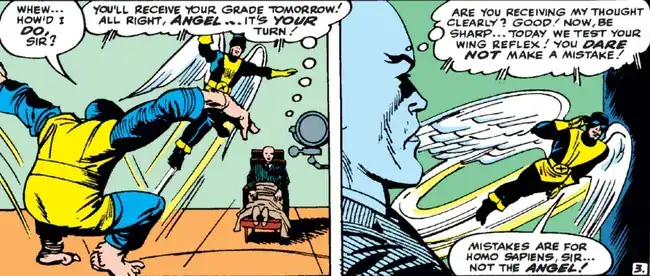
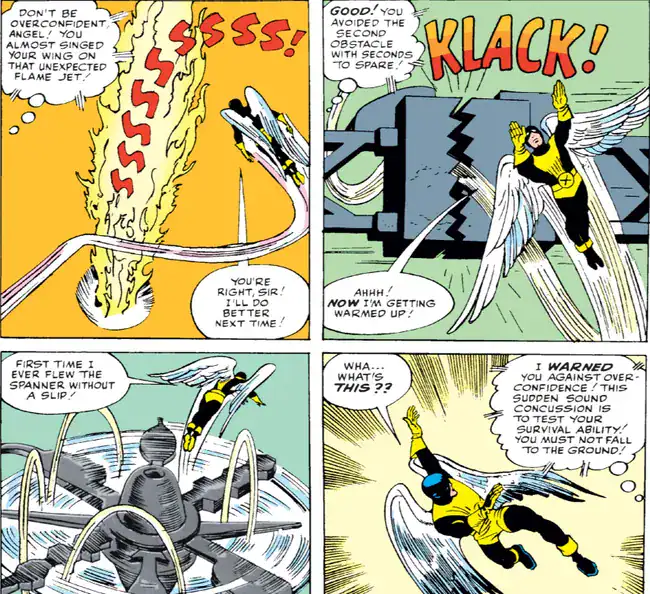
This is also a prototype version of the Danger Room, and its position doesn’t make a lot of sense.
Because of scenes immediately preceding and following the training session, we know this is happening on the second floor in fron of windows facing the street! Not to mention this has to be a HUGE room if Angel can fly around like that!!!
Iceman is explicitly stated to be the youngest member, and he’s later said to be 16 right now.
That would make him the same age of the Human Torch and Spider-Man, with the rest of the team debuting at around 18 (although Beast is sometimes said to be slightly older).
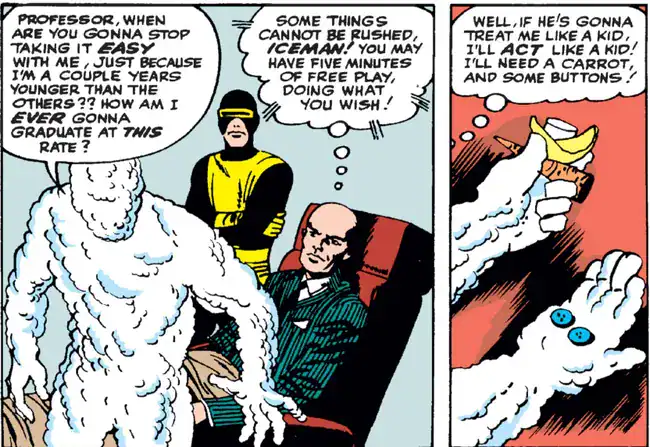
With his original look, Snowman would have been a more accurate name.
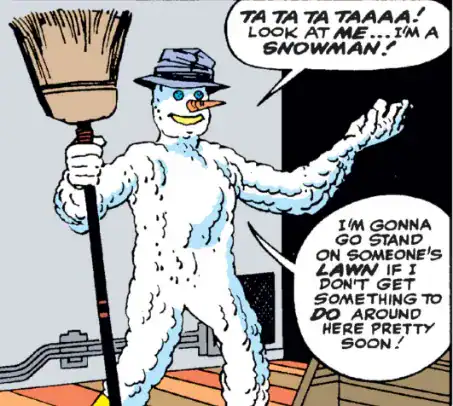
Cyclops has always been insufferable, hasn’t he? Don’t get me wrong, he’s a great chracter to read, but I always feel like it would be absolutely dreadful to be around him in real life.
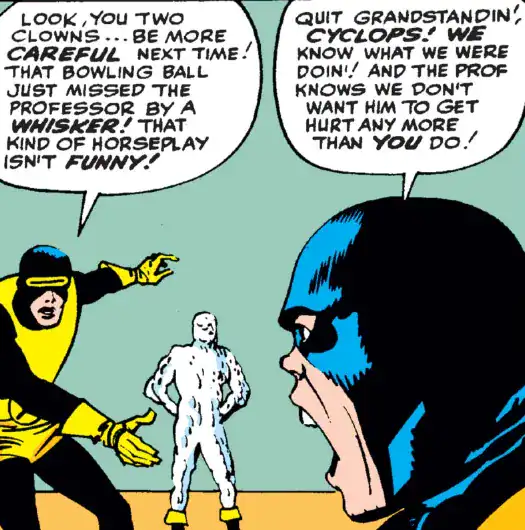
Teacher of the year, no notes.
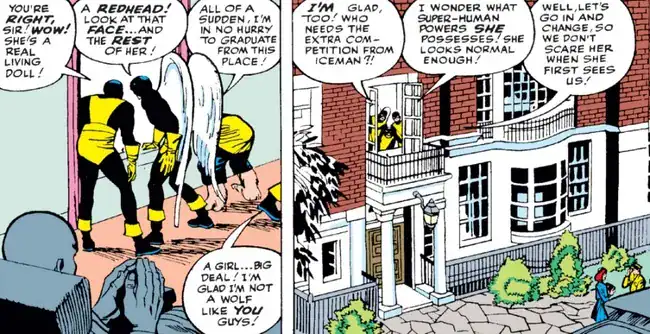
This is when the last original member is introduced. Notice that Iceman is the only guy not caring girls in this scene… decades later it will be taken out of context to say that he was ALWAYS intended to be gay, when it’s pretty blatant that this is just to indicate how young he is.
For the record, I have no problems with Iceman coming out as gay in modern comics, I’m just irritated by the readers who insist “he was always gay” instead of the more obvious “he was written as straight for decades until he realized he likes guys more than girls”.
I get the distinct feeling that either Kirby didn’t care about this book as much as the others or he was overworked (less likely, considering his legendary ability to pencil so many books at once).
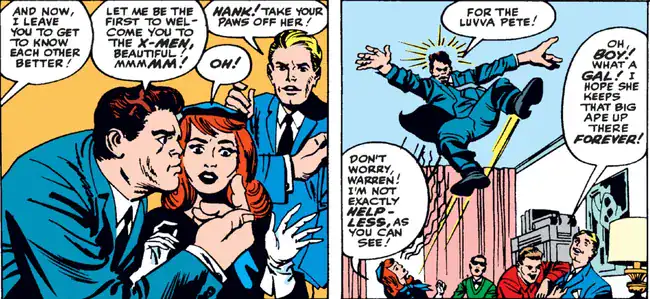
Not only there’s a distracting lack of backgrounds, but when it comes to details… you better not give too much attention to Beast.
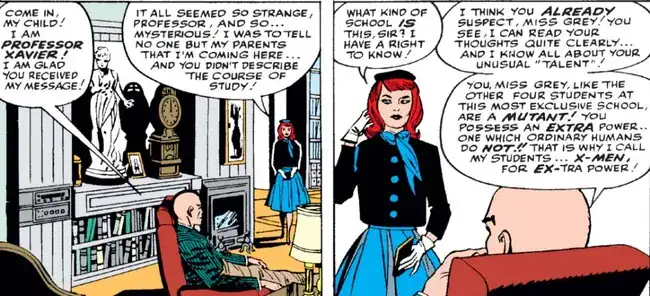
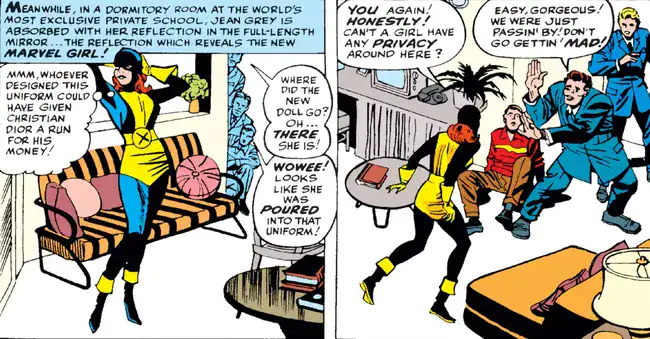
Jean Grey and Professor Xavier act like they don’t know each other, something that doesn’t make a ton of sense considering the large amount of retcons regarding her past.
Also, ignoring the retcons, isn’t this encounter a bit creepy on her part? She was enrolled into a school that she doesn’t know and has to keep quiet about it!
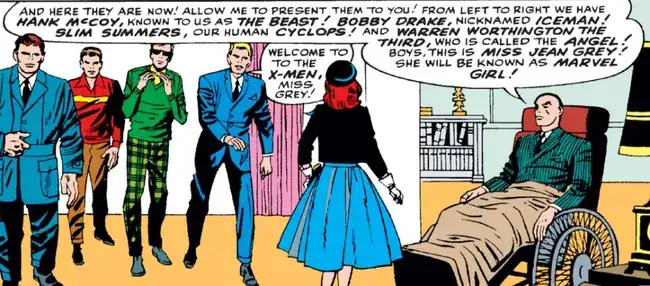
The X-Men introduce themselves in their civilian identities. Weirdly enough, Cyclops will be known as just Slim Summers in this issue; his first name won’t be given until issue 3.
Xavier introduces the concept of mutants, considering himself potentially the first one.
We know that he’s off by a few thousand years, but even with retcons I don’t think that at this time he knows anyone older than him… except Magneto. So I’m guessing the original idea was that Xavier was older than him.
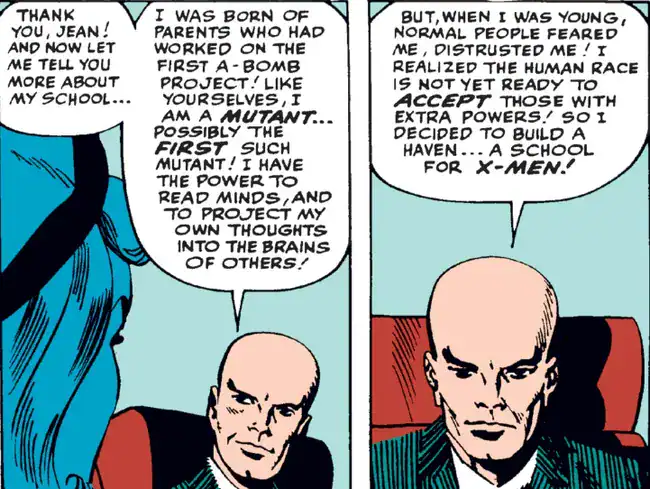
Also, Xavier must be younger than he looks if his parents worked on the first atomic bomb! He attributes his mutation to them working on radiation, meaning he would have been conceived during the Manhattan Project.
Since that started in 1942 and this is a 1963 story, that would make him around 21 years old which is RIDICULOUSLY low. Even if we stretch it a bit further, it still doesn’t work… I refuse to believe Xavier can be any younger that 30 years at the very very least.
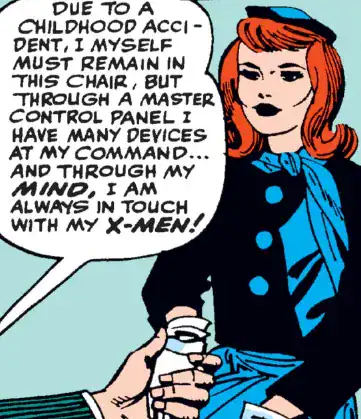
We can definitely assume this entire conversation is retconned, especially since it ends with Xavier claiming he lost the use of his legs in childhood… and it won’t take long before we learn he was disabled as an adult (X-Men #9, in fact).
It is possible that, even if they didn’t need to attend a special school because of their powers, all the original X-Men would have been expelled from regular schools anyway.
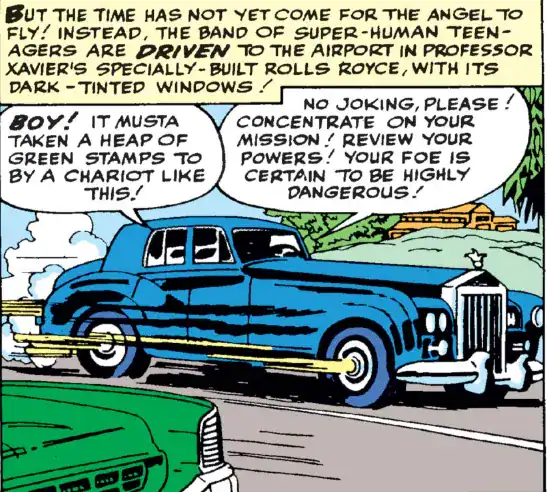
Given their status as being rejected from society, it’s weird to see the early X-Men showing off Xavier’s wealth. They might be the only super-team to ever go into battle in a Rolls Royce!!!
The Blackbird is decades away from showing up, but the X-Men have always been flying in style.
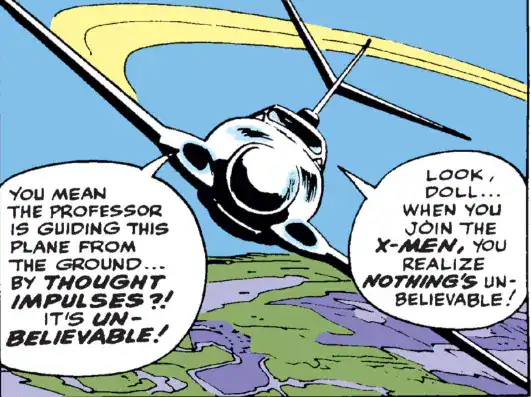
See the Magneto review for his part of his story. However I have to mention that he’s the one to drop the term Homo Superior… in his SECOND panel.
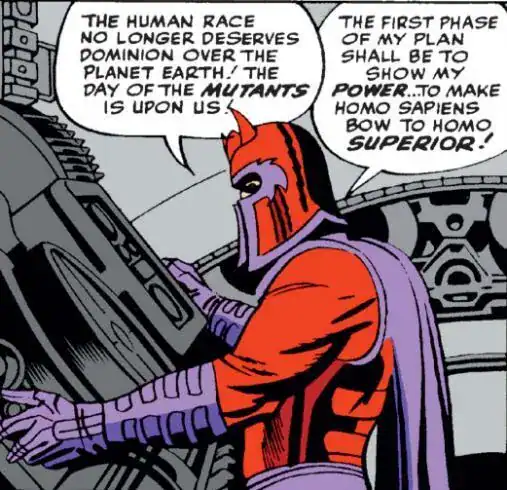
Needless to say, Magneto wasn’t THAT impressive in his first story… it took the X-Men less than FIFTEEN MINUTES to defeat him!!!
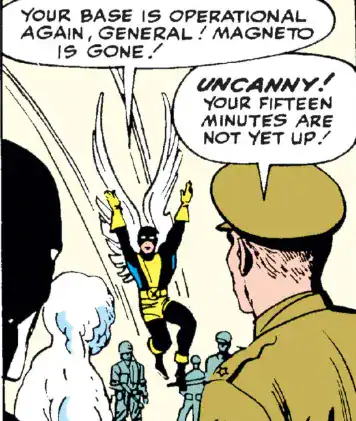
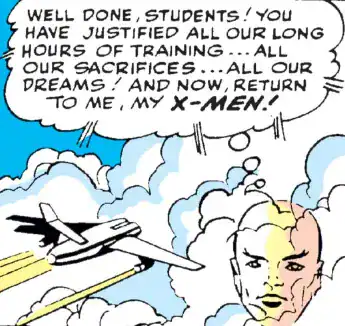
The story ends with Professor X using his catchphrase of “To me, my X-Men!”.
Although it’s hardly a catchphrase this early, it will take a long time before it becomes one.
Historical significance: 10 / X
Silver Age-ness: 10 / X
Does it stand the test of time? 5 / X
I stand by the scores of the original review. The Magneto stuff is great, but the X-Men are FAR from being recognizable… Xavier isn’t particularly likeable and the others are barely more than blank slates.
In general, the familiar X-Men themes won’t show up in the series until the Sentinels show up, and they’re FAR more present in later years than during the original run.
Before going into the biggest topic I wanted to talk about, let’s figure out what came first, X-Men or Avengers.
The traditional idea was that Avengers #1 was published first, and we do have evidence of its precise release date: July 2nd 1963.
We also know that Avengers took the publishing slot of the first Hulk series (which was cancelled after just 6 issues); back in the day Marvel rarely launched a new series whenever they wanted; because of distribution shenanigans.
However in July 1963 there was a delibered effort to expand the superhero line, and the month saw the launch of THREE new series: Avengers, X-Men and Sgt. Fury and His Howling Commandos.
Of the three books, Avengers is the only one with a verified release date.
The main consensus is that the three books were functionally launched simultaneously; it’s possible that one came out first, but because books were shipped out regionally and arrived on different days depending on the city, it’s basically impossible to know for certain.
My official position on the matter is that I don’t care, but the subject IS an interesting glimpse at the earliest publishing schedules.
The reason behind the creation of mutants is mostly utilitarian: Stan Lee was writing or co-writing so many books simultaneously that they were just a convenient excuse to have powers!
I couldn’t have everybody bitten by a radioactive spider or exposed to gamma rays. So I just said, “They’re mutants. They were born that way.”
STAN LEE
They also were not intended to be called X-Men. Well, the book title wasn’t; it was supposed to be “The Mutants”, but we don’t know if it would have been the in-universe name for the team.
I wanted originally to call them The Mutants and he said, ‘you can’t call them The Mutants’ and I said, ‘why not?’ He said, ‘our readers, they aren’t that smart.’ He had no respect for comic book readers. He said, ‘they won’t know what a mutant is.’ Well, I disagreed with him, but he was the boss so I had to think of another name. So, I went home and I thought and thought and I came up with the X-Men and I mentioned it to him the next day and he said, ‘that’s okay’ and as I walked out of his office I thought, that was very peculiar. If nobody would know what a mutant is how will anybody know what an X-Man is? But he had okayed the name and I used it.
STAN LEE
Unlike a lot of their other collaborations, there aren’t a lot of Jack Kirby quotes about the X-Men. I don’t remember even his most rabid fans claiming that Kirby is the sole creator of the X-Men, possibly because he wouldn’t stay on the book for very long.
This was a period when we were experimenting with the atom bomb. People were wondering what the effects would be. Everybody worried ‘Would we all become mutants?’ We played around with this ‘mutation thing’ and I came up with the X-Men, who were associated with radiation and its effects on humanity.
JACK KIRBY
Stan Lee wouldn’t stay on the book for long either, just the first 19 issues before he leaves Roy Thomas in charge.
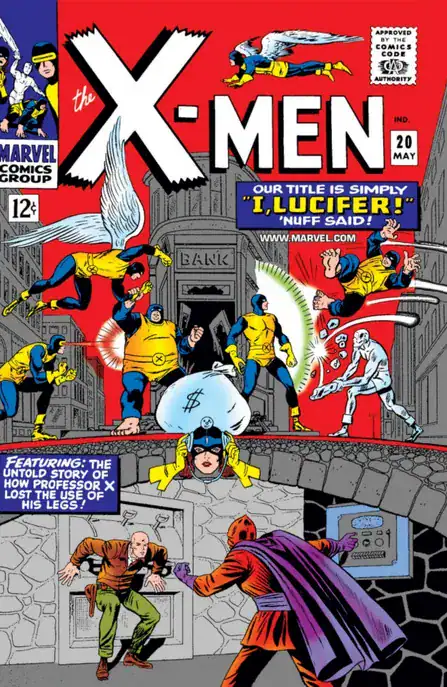
The book REALLY struggled with sales. Despite a boost provided by the arrival of artistic juggernauts like Jim Steranko and Neal Adams…
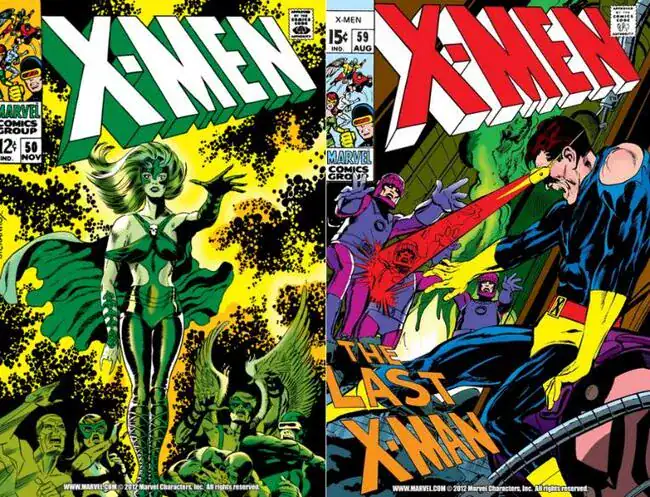
…the book was effectively cancelled with issue 66 in 1970.
It’s hard to believe today, but the X-Men were definitely NOT a commercial hit in their original run.
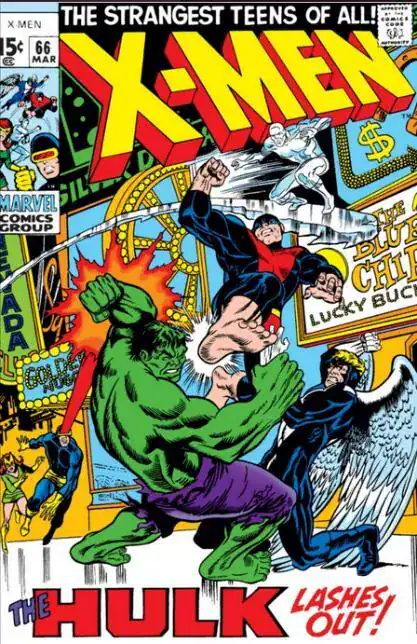
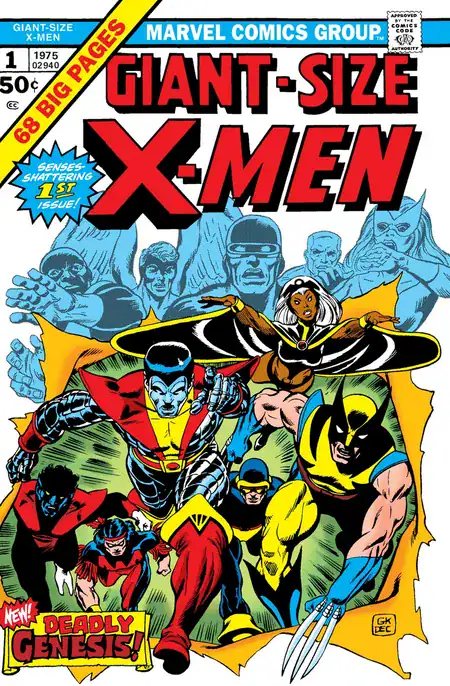
However the book was not TECHNICALLY cancelled: it continued with reprints until 1975, when the franchise was relaunched by Len Wein and Dave Cockrum.
And it’s consistently been one of the best-selling Marvel franchise, or quite often THE best-selling.
Despite that, the X-Men remain my biggest weakness when it comes to my knowledge of the Marvel Universe… I’ve never been too much into them.
I’ve tried several times to get involved with it, and there are multiple runs that I have liked… but as soon as I get to appreciate it, they completely throw the status quo out the window and lose me.
Not to mention that I don’t think that the X-Men as a metaphor for minorities works all that well.
I get the appeal and it HAS been used to great effect countless times… but the metaphor works only up to a certain point.
Minorities in the real world don’t have powers that can kill people, blow up the planet or reshape reality! And they don’t organize dozens of paramilitary teams!
I also never really bought the idea that the mutants are feared while non-mutant people with powers aren’t; that’s objectively untrue in the Marvel Universe, where all heroes are cyclically ostracized as soon as public opinion sours over them.
On one hand, the X-Men obsession with setting themselves apart from the rest of the Marvel Universe has always irritated me… but on the other hand, perhaps the X-Men would work better in a universe where being a mutant is the only reason why you have superpowers.
There are often multiple books covering different sub-teams, sometimes with members re-shuffled between books, and you also need to keep track of the many spin-off teams… New Mutants, Generation X, X-Force, X-Factor, Excalibur, X-Statix… many of which have different incarnations or sub-teams!!! Some of which are alternate versions or clone of the member of a different team or from a different era!!!
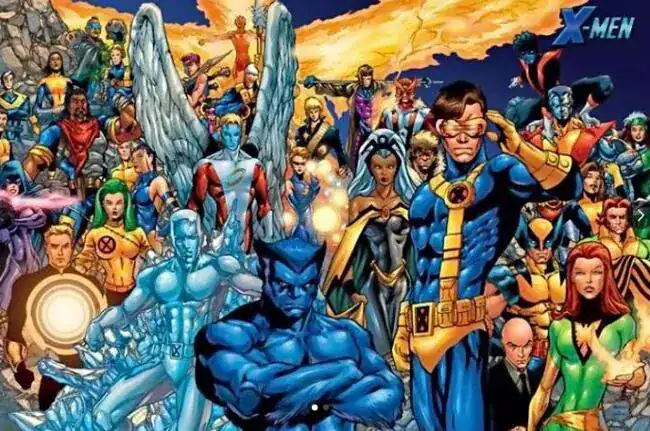
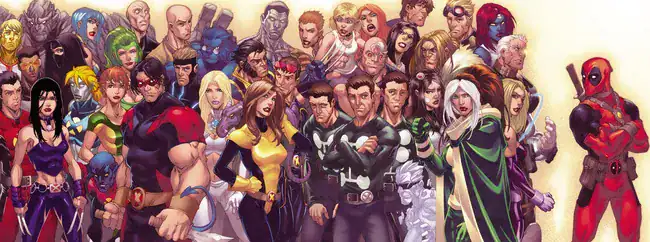
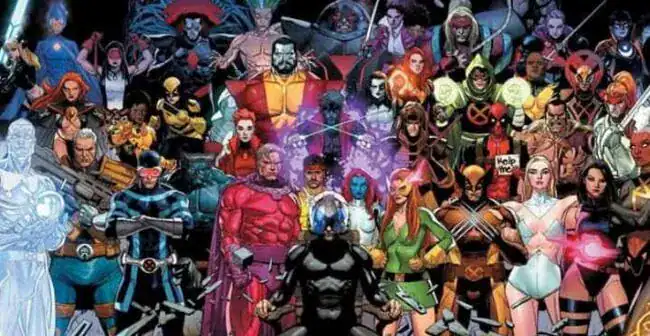
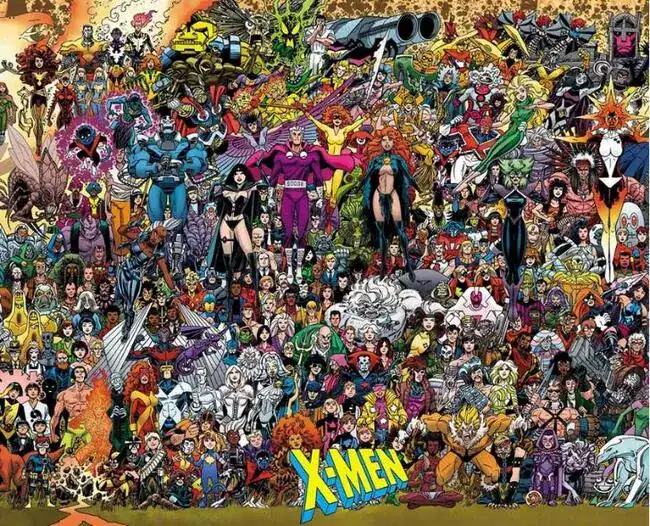
Adding to their extremely (x-tremely?) convoluted continuity… I recognize this is going to sound hypocritical from a Legion superfan, but the X-Men franchise has WAY TOO MANY CHARACTERS.
How close is this to the modern character?
That rant is to clarify that this is coming from a somewhat casual X-Men reader.
The X-Men: 3 / X
There’s some lip service to mutants being feared, but it’s barely addressed and it’s slightly invalidated by the authorities having absolutely no problem with them helping.
Professor X: / X
Still very generic, lacking the traditional warmth and drive towards the dream of the more classic version or the schemer of more recent years.
The franchise as a whole has never really figured out a way to deal with how hard it to keep such a powerful telepath around without breaking the story… he’s constantly being killed or trapped or depowered!
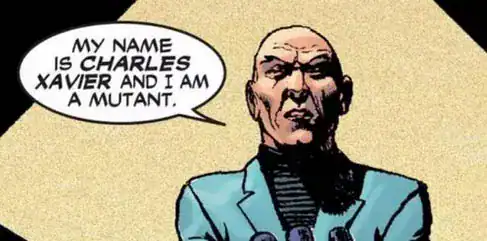
It’s also frankly absurd that it took until the Grant Morrison run in 2000 for him to publicly acknowledge he’s a mutant!!!
Cyclops: 7 / X
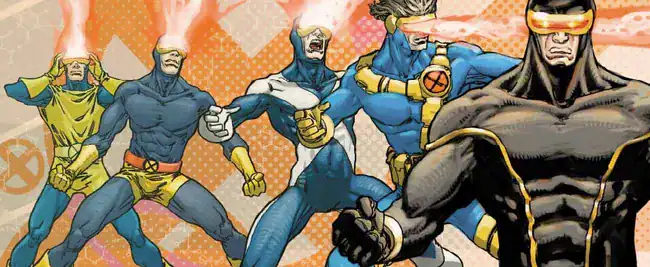
I feel like he’s the only Marvel character who gets consistently screwed over by writers more than Spider-Man. His angst about his powers is there from the start, and he will start simping for Jean Grey very early. His obsession about… well about a lot of stuff really… is nowhere as extreme as it will become, although he IS definitely the one with no life outside of the X-Men.
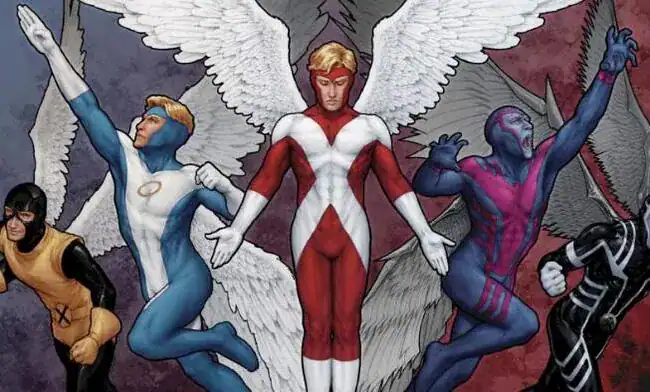
Angel: 8 / X
I know he has his fans, but I’ve always found him boring. The fact that he has the least interesting power certainly helps. He will eventually develop a personality, but he’s not exactly showing it off in the first issue. He’s also one of the only two mutants in the team who has a VISIBLE mutation, even more so than Beast. But it’s barely ever a factor: he just tucks his wings into a suit.
Honestly the only period where I found him almost interesting was during his Archangel phase, when at least he had some angst to be explored.
Beast: 8 / X
We are years before he gets his recognizable blue look, and his intelligence will only start to be highlighted a few issues later. However his personality and demeanor are already quite close to the more modern version. Except that period where he was basically a supervillain, but all X-Men are contractually obligated to get one of those.
And I will die believing he’s more interesting when he’s in the Avengers.

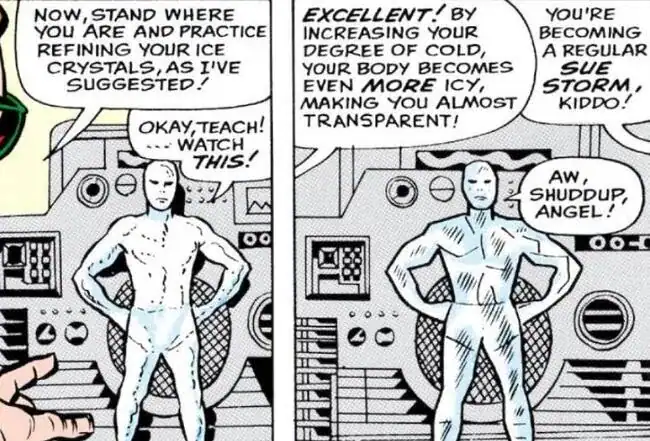
Iceman: 6 / X
He’s little more than the Human Torch with the opposite power in the earliest issues, and he would remain in his Snowman form until #8.
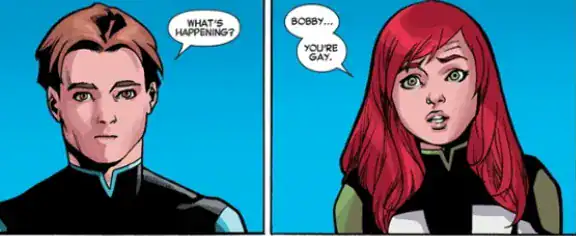
Since I mentioned it in the review, I have to address Iceman being gay.
He’s been in multiple relationships with women so the easiest way to treat it would be saying he started out either straight or bisexual and later realizing he really likes men. Nothing wrong or unrealistic about that!
But they let Bendis deal with the revelation and he did it in the worst way possible: by having time-displaced younger versions of the original X-Men (because comics) out him as gay against his wishes.
The rumors about Iceman being gay popped up in the 80s (insert Top Gun joke here), and you might be surprised to learn this has to do with the Legion!!!
At that point, part of it was readers were wondering if some of these longtime characters were gay just like some of the people we’d known for a lot of years. Element Lad in Legion of Superheroes was another.
A character could be gay because he’d never been involved in a long-term heterosexual romance. If something like that lasts a long time, eventually you’ll find a writer who goes, ‘Yeah, why not?’ It gives you new places to go.
KURT BUSIEK
Marvel Girl: 4 / X
She starts out as just being “the girl”. She doesn’t even gain telepathy until the Roy Thomas run!
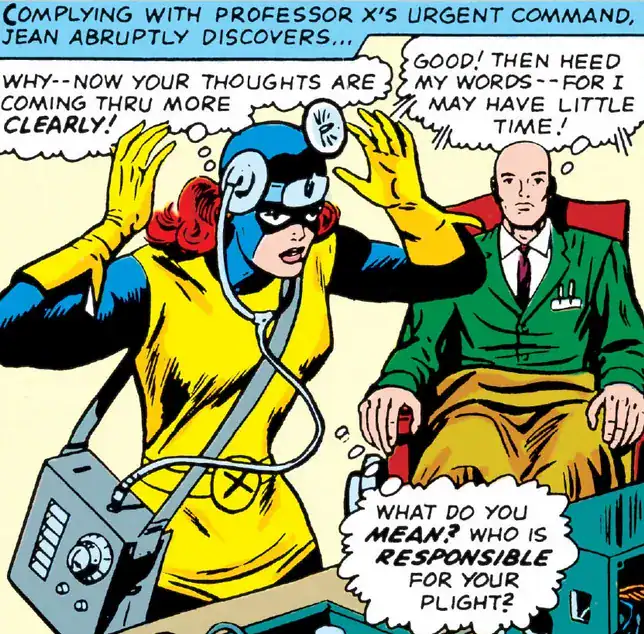
The Phoenix saga is such a milestone for her character that I don’t think most readers even think of her as Marvel Girl anymore. She either uses the Phoenix name or, far more frequently, she’s just Jean Grey; her time before becoming Phoenix doesn’t seem to have a ton of impact on her, besides her relationship with Cyclops.
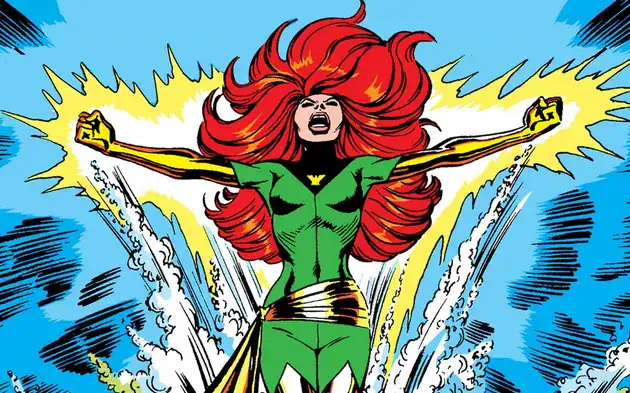
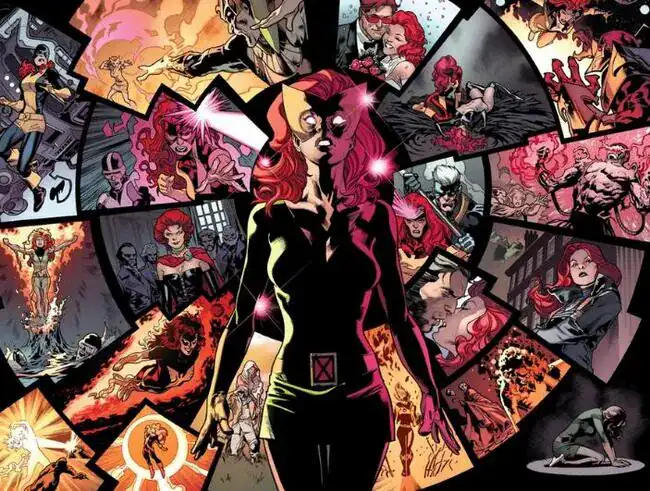
Which isn’t to say she hasn’t had good periods where she wasn’t Phoenix, but it looks like she just can’t escape that plot from endlessly returning.
At this point she has all rights to keep the name Phoenix not because of the cosmic entity but because he has died an unbelievable NINETEEN times!!!
1) Uncanny X-Men #137 (1980), at the end of the Phoenix saga. Because of retcons this wasn’t really Jean, but I’m counting it.
2) She was among the snapped in Infinity Gauntlet.
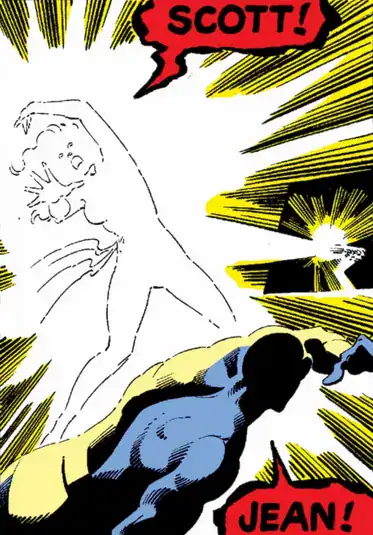
3) New X-Men #148 (2003), the Grant Morrison run. Wolverine kills her, but she’s connected to the Phoenix so she resurrects herself…
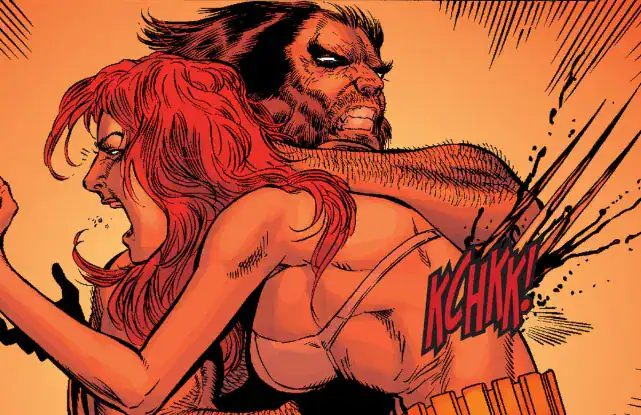
4) … two issues later in New X-Men #150 (2003), where Magneto* kills her gain.
*it’s complicated 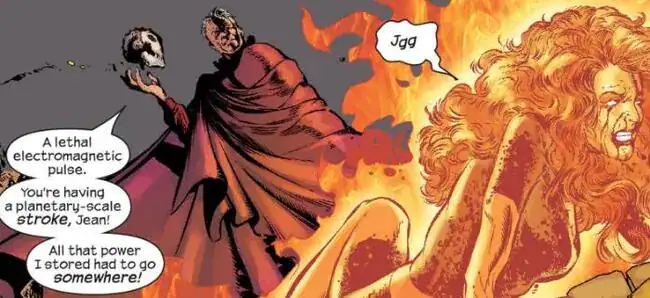
Phoenix Endsong (2005) resurrects her, and she has to be killed MULTIPLE times throughout the story. More than once in the same issue!!!
5) in issue 3, by Wolverine
6) in issue 3, by Wolverine
7) in issue 3, by Wolverine
8) in issue 3, by Wolverine
9) in issue 3, by Wolverine
10) in issue 3, by Wolverine
11) in issue 3, by herself, throwing herself into icy waters. Seriously.
12) in issue 6, by Cyclops
I think. I honestly couldn’t understand this miniseries.

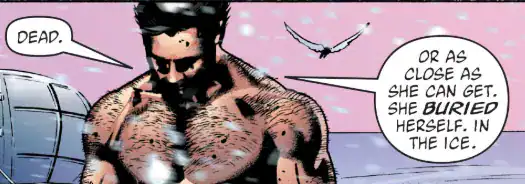
In the meantime, the Phoenix even kills and resurrects the time-displaced teenage Jean in 2017.
This IS supposed to be the same adult one, as she’s eventually sent back to her time, so…
13) Jean Grey #10, killed by the Phoenix Force.
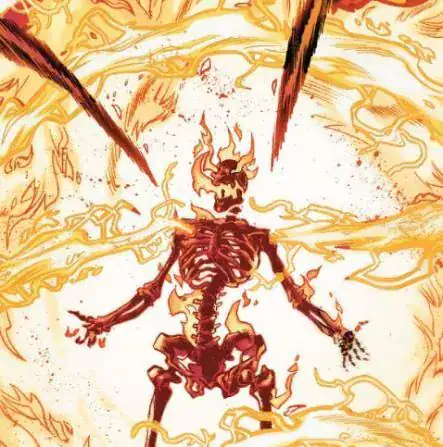
In 2017, in the appropriately titled “Phoenix Resurrection: The Return of Jean Grey” miniseries, the adult Jean Grey *spoiler alert* is resurrected. And then…
14) Heart of X #4, she’s crushed by Sentinels.
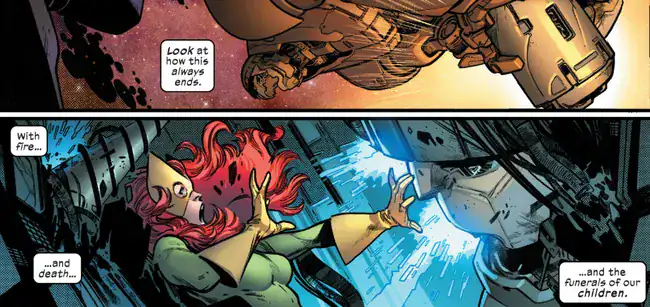
In this period the X-Men had the means to resurrect themselves, so she doesn’t stay dead long.
Aaaand she doesn’t stay alive long either.
15) Wolverine vol7 #1 (2020). Killed by Logan AGAIN.

16) A.X.E. Judgment Day #5 (2022), killed by a Celestial.
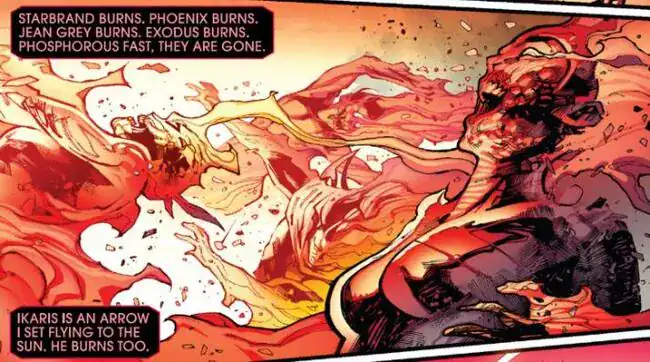
17) X-Men: Hellfire Gala – Fall Of X (2024), killed by a cyborg Moira McTaggart

Even WHILE SHE IS STILL DEAD, there is a complicated plan that requires her to be killed while dead to stop the Phoenix Force.
I have not read this story, but I doubt it would make sense even if I had.
18) X-Men Forever #2 (2024), despite being already dead. SOMEHOW.

At the end of that series, Jean is fully resurrected and in control of the Phoenix Force, becoming a cosmic hero. And getting herself killed.
19) Phoenix #5 (2024), by Gorr The God-Butcher. Shockingly, she resurrects herself by the end of the issue.

Granted, it is entirely possible I skipped a death or two, and at least one has been retconned into not being the real Jean.
But at this point that’s beyond parody!!!

Interesting fact I just learned recently – there is a German “space opera” series titled Perry Rhodan that first published in 1961 and continues to this day – a key group within the series is the “Mutant Corps” whose members include telepaths, telekinetics, teleporters and other types of mutants…. Must have been an idea floating in the air back then!
It’s a generally common idea in 50s and 60s science fiction, often tied (as in this issue) to atomic radiation. Mutation also appears as an idea before and after that, but this is its heyday.
“Minorities in the real world don’t have powers that can kill people, blow up the planet or reshape reality! And they don’t organize dozens of paramilitary teams!”
This is true, but just to make a contrarian argument, mutant abilities dramatize the real struggles, misinformation, and outright lies to which minorities are frequently subjected. Heck, we don’t have to look any further than the current US administration to find narratives of “rapists and murderers” and of immigrants eating pets to cast suspicion on anyone who is “different.” When the X-Men first appeared, it had been only 15 years since the US armed forces were integrated. MLK delivered his famous “I have a dream” speech just one month after the X-Men debuted, and the Civil Rights struggles were about the burst wide open into the main culture.
Prejudice is often rooted in ill-founded suspicions. Back in the ‘9os, I had a conversation with a fellow college student who was also a member of the US Army. He opposed gay people serving in the military because, in his words, they would change the military culture too much. I also suspect there was a fear of showering and serving in close quarters with someone who was attracted to the same sex. Yet some of the same attitudes were held toward non-whites when the armed forces were integrated. Some of those arguments were later used to oppose women serving in combat (special hygiene needs, men’s “need” to be the protector interfering with missions, etc.)
When viewed as an extended metaphor for minority struggles, the X-Men’s ostracism mostly makes sense. Several stories suggested that it wasn’t the powers, per se, that frightened people, but how mutants came about those powers. They were the result of atomic radiation, meaning something bad could happen to anyone who was exposed. Heroes having godlike powers because they are gods, or getting bitten by a radioactive spider (an accident), and having the scientific knowledge to give oneself powers were rare enough not to tamper with the established order of how humanity saw itself. But being born with a mutation fundamentally changes what human beings are. It didn’t help that Magneto kept pushing for mutants to be accepted as “homo superior,” a blatant indication that he wanted to change the pecking order.
In the ’70s, this metaphor was more obvious than it was earlier due to Nightcrawler, Colossus (in his armored form) and others who were visibly different from humans. I think it was no accident that New X-Men were also composed of international and multiracial members to drive home just how “different” they were from the established order, at least in the US.
Good analysis. To be fair to the X-Men, it’s not like the metaphor never works… I just think that it doesn’t work as well as the comic often thinks it does.
One of my favorite jokes about Jean’s deaths is in an episode of the YouTube show Death Battle where, after one joke about it, they pause the episode to reveal that she died again DURING THE PRODUCTION OF THE EPISODE. The episode honestly wasn’t the best aside from that (and the really good animation on her and Raven’s bird forms), but that alone makes me come back from time to time.
As a Death Battle fan myself, that gag is the inspiration of this review’s count!
I maintain that the original X-Men uniforms were the ugliest and dullest superhero uniforms ever, but they did fit in with the initial theme of the X-Men being students at a school, I suppose.
Like the Fantastic Four, the X-Men was a group that had a good reason to stay together. The Avengers, on the other hand, only existed because Bill Everett was way behind time delivering the pencilled pages for Daredevil #1. That’s right, Daredevil #1 should have been published at the same time as X-Men #1, but Everett didn’t have the art ready in time. Marvel was left with a publishing slot and no comic to fill it, so Stan and Jack – both capable of working fast – put together a comic that jammed together most of their franchises that weren’t already in a team. Daredevil #1 finally came out the following year.
For the Silver Age you might be right, but there are some real stinkers in the Golden Age.
But the evolution of early X-Men costumes is bizarre enough to make me do a Random Thought about it!
Interesting theory on the book genesis, although I have some doubts they would have halted production for so long to make a whole other book in parallel, instead of jusy having someone else finish Daredevil #1 (where Everett was most definitely behind schedule)… to me it doesn’t really sound how we know things worked at the time.
Thanks to the miracle of algorithms, after I read this post and your response, the following video popped up in my YouTube feed:
https://www.youtube.com/watch?v=lOYuPPIHulI
As evidence, the video links to Tom Brevoort’s blog: https://tombrevoort.com/2019/12/28/lee-kirby-ditko-everett-the-linked-stories-of-x-men-1-avengers-1-and-daredevil-1/
The argument for The Avengers being a last-minute replacement for Daredevil is compelling. It builds off established facts such as the limited number of titles Marvel could publish at the time (which would explain why Daredevil was pushed back to the following year). It also makes sense that Lee and Kirby did not have to create new characters for The Avengers but relied instead on what they had already established. Even the supporting characters, such as Rick Jones, are not new.
One factor that still doesn’t add up to me is why Lee didn’t replace Everett on Daredevil instead of going to the trouble of creating a new comic book whole cloth. Brevoort acknowledges that Lee’s reasons are unknown and suggests that publisher Martin Goodman’s “fondness” for Everett may have been a factor. Perhaps, but it still seems too pat of an answer. Plotting, drawing, and scripting a new comic book would have been a lot more work for everyone involved (and result in a lot of freelancers being paid) than hiring someone to take over Everett’s partially completed work. And if Kirby was too overworked to take on Daredevil, as Brevoort claims, it makes little sense that he would have time to work The Avengers into his schedule.
If true, however, this account provides a fascinating insight into the creation of one of Marvel’s most popular franchises.
Wasn’t Jean also killed and brought back to life as a result of Secret Wars (alongside mostly everyone else)?
Technically, that also happened to most everyone in a storyline of just over 50 years ago in Doctor Strange (Doctor Strange #12-13, late 1975-early 1976).
In any case, so many X-Men died and ressurrected through various means that it is not clear whether Jean is among those who did so most often. For instance, late 2021’s “Inferno #1” had a report stating us that several different X-Force missions including Wolverine had ended with the death of the whole team (off-panel, no less), only for the the roster to be brought back to life and sent again, several times in a short time span. The Krakoa Era had lots of drammatic events with very little pay-off.
There are interesting stories to tell with the X-Men, but for the most part they are spread thin, oversold, overexposed, overused and over-written. At this point I don’t think they are even a good fit for a shared universe, and don’t get me started on how shallow and inconsistent their characterization has become, nor on how overcomplicated their continuity has become.