
We lost another legendary creator, with an important legacy at both Marvel and DC.
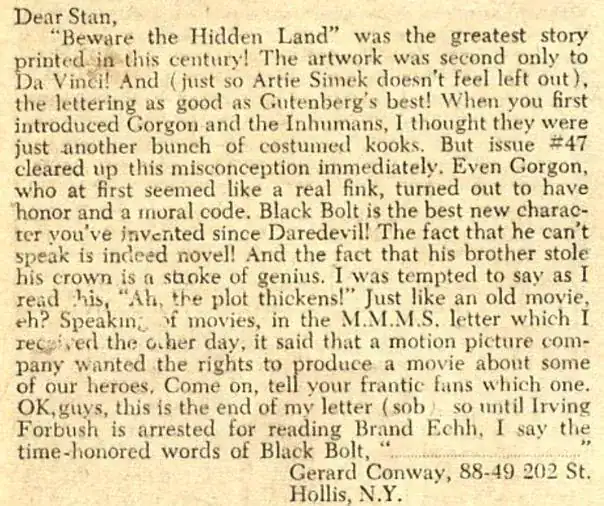
Gerard Francis Conway was an early comic book fan: at age 13, he had a letter printed in Fantastic Four #50.
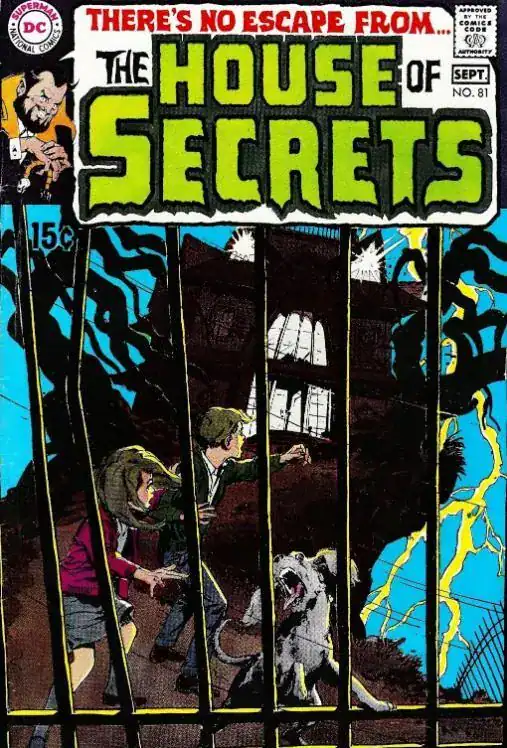
It wouldn’t take him long before his first published work: at age 16 on House of Secrets #81, one of DC’s horror anthologies.
In addition to a 6 ½” page story he also had a prose story published here.
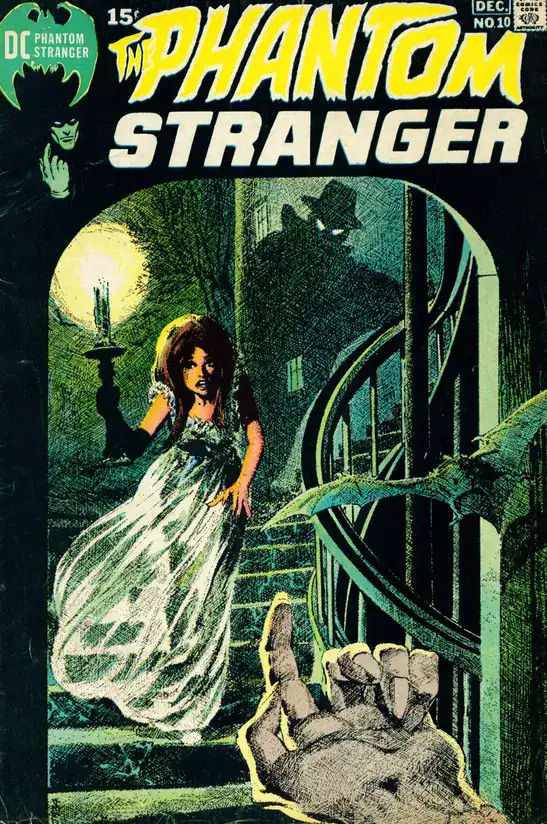
He would get additional work in other anthologies, both with comics (including Marvel’s “Chamber of darkness” and “Tower of Shadows”) and prose short stories (including DC’s “All-Star Western” and “Super DC Giant”), finally breaking out of anthologies with Phantom Stranger #10 in 1970.
That was enough to get the attention of Roy Thomas, who got Gerry more work at Marvel.
I’d been writing for DC Comics for two or three years…but to paraphrase the joke about the actor’s ambitions to be a director, what I really wanted to do was write superheroes – specifically Marvel heroes. Through friends I’d become acquainted with Roy Thomas, who was Stan Lee’s right-hand man at the time, and Roy offered me a shot at the Marvel ‘writing test.’ Stan wasn’t impressed, but Roy liked what I did, and began throwing some short assignments my way, including scripting over his plot on an early Ka-Zar.
GERRY CONWAY
That was Conway’s lead into superheroes, because he quickly started writing for A LOT of different books including Daredevil, Iron Man, Hulk, Inhumans and Black Widow.
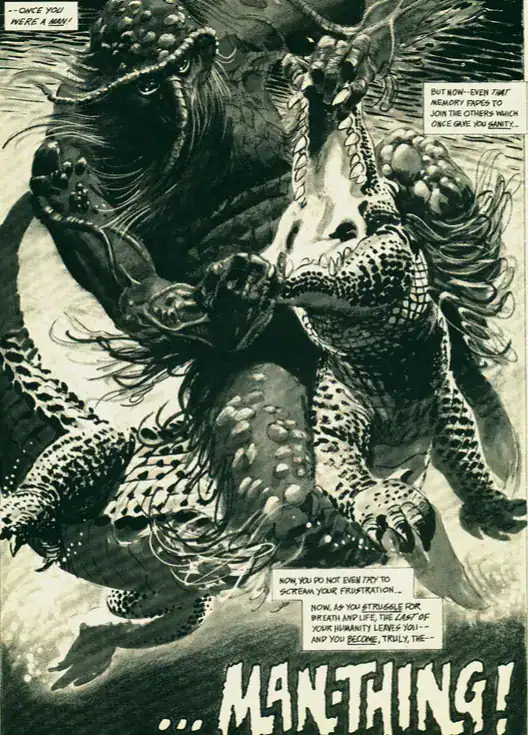
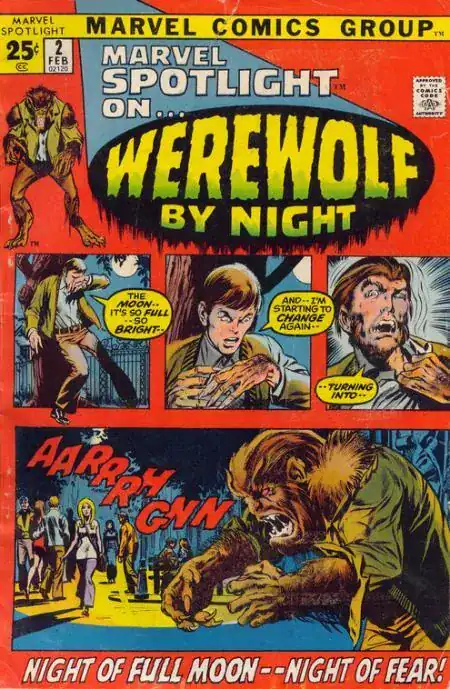
He also co-created both Man-Thing (scripting his first appearance, sharing credit with Stan Lee and Roy Thomas) and Werewolf By Night (sharing credit with Roy and Jean Thomas).
Completing his horror credentials, he ALSO wrote the premise behind the Tomb of Dracula series.
You can see Conway was a precocious writer, but he didn’t expect to get the chance of a lifetime in 1972: at just 19 years old, he was chosen to succeed Stan Lee at writing Spider-Man.
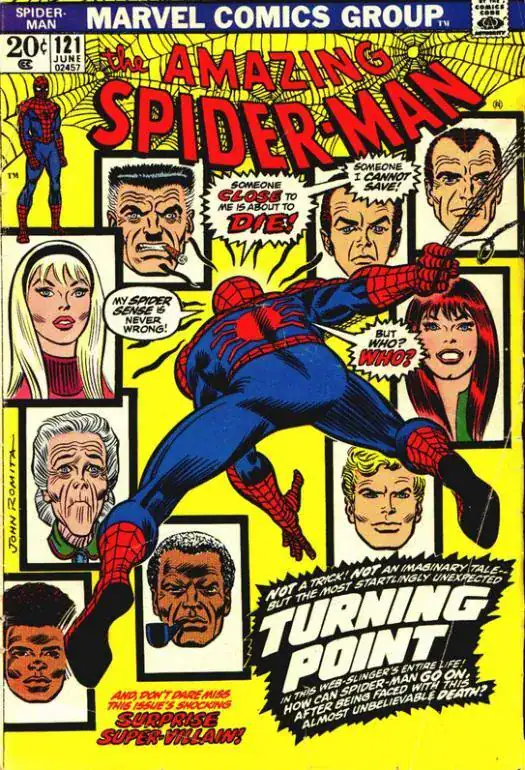
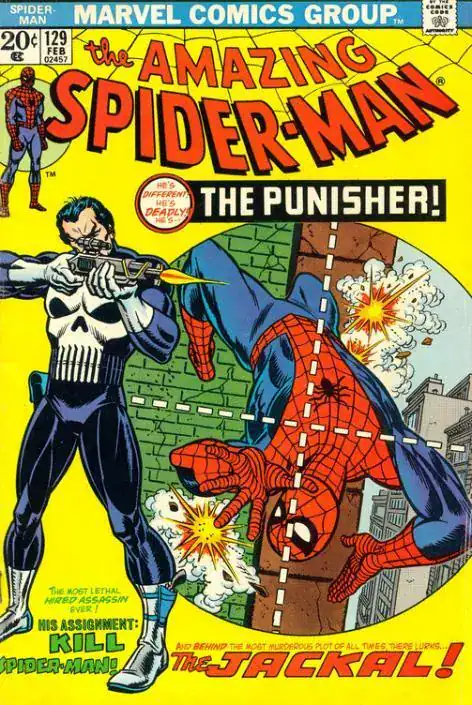
He would write the book for only 3 years, but those included what are likely the two comics for which he’s mostly remembered: Amazing Spider-Man #121 with the death of Gwen Stacy, and Amazing Spider-Man #129 with the first appearance of the Punisher.
Can you imagine being given the reins of Spider-Man at 19 years old?
Precocity is a well-known curse; most of the pressure I felt as a younger writer was self-imposed. I wanted to be accepted by other writers and artists as an equal, which put me in some awkward situations — pretending to be more mature than I was, emotionally and professionally. As it happened, I was pretty good at faking a maturity I didn’t have, which had advantages and, obviously, some disadvantages. I think people often forgot how young I was, and expected me to perform at a level that was actually beyond me. The result was, I was pretty stressed for most of my early career as a writer, and I often felt like I had no idea what I was doing —which was true. I wrote instinctively and from the gut; when those instincts were appropriate to the material I was writing – for example, when I was writing Spider-Man – the results were something I was quite proud of, then and now. When my instincts were off, I didn’t have the experience to either recognize it, or to compensate for it, with results that were more uneven.
GERRY CONWAY
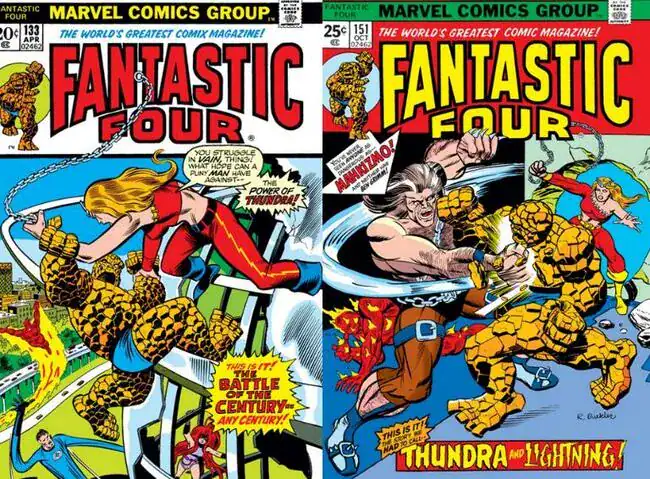
His 20 issue run on Fantastic Four, from #133 to #152, is less fondly remembered.
Conway received a lot of criticism for the death of Gwen Stacy (even though who decided to kill her off is a complicated question worthy of a whole separate discussion).
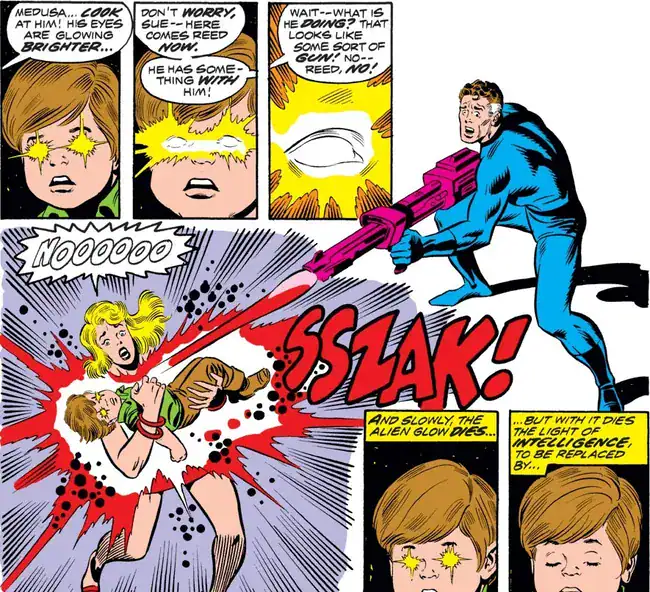
So I find it interesting that his Fantastic Four run included breaking up Reed and Susan because he shot his own son with a ray that turned him into a vegetable for a while.
Yeah Reed had reasons (Franklin was going to destroy the universe), but still I have to imagine that readers weren’t very kind to Conway on this.
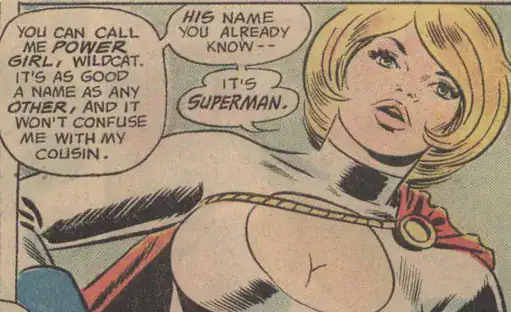
Conway returned to DC in 1975, writing a couple of minor books before beginning a revival of the Justice Society on the pages of All Star Comics, where he created Power Girl.
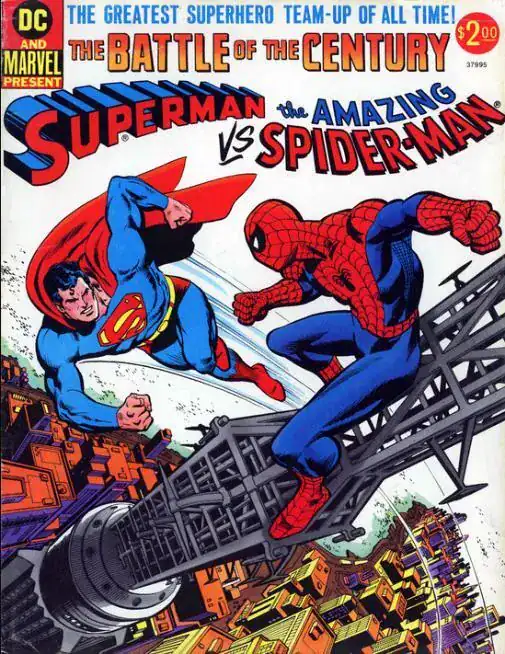
Conway was such a mainstay in both Marvel at DC (moving between Superman, Detective, Justice League, Avengers, Defenders, Captain Marvel, Iron Man, Spider-Man, Ms. Marvel among others) that he was even chosen to write the first official intercompany crossover, “Superman vs. the Amazing Spider-Man”.
In 1976, Conway succeeded Marv Wolfman as Editor-in-Chief at Marvel.. lasting for little more than a month before being succeeded by Archie Goodwin.
After leaving Marvel, Conway would write exclusively for DC Comics for about a decade.
Notably he wrote both Legion of Super-Heroes (which I have the distinct impression he didn’t care for) and an impressive 8 year run on Justice League of America, from 1978 to 1986.
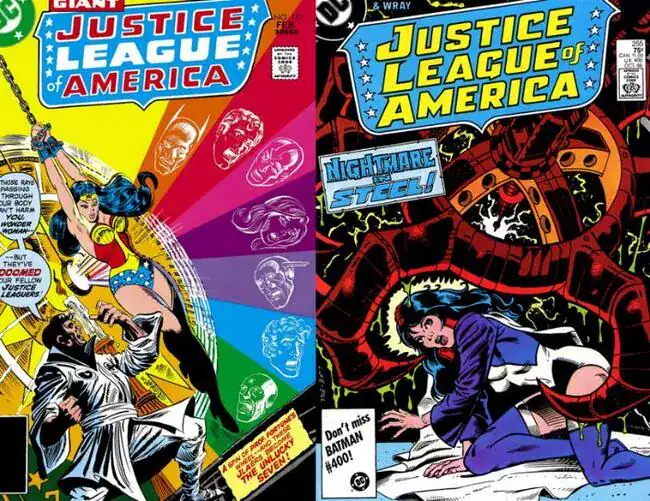
His JLA run is historically important and it does include several great storylines, but I found the initial years to be excruciating to get through.
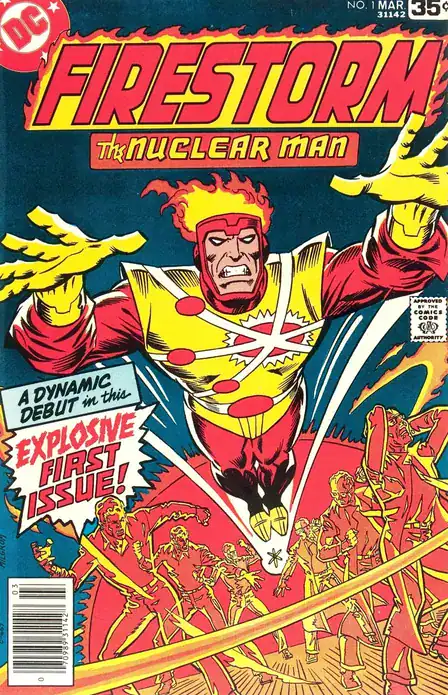
Ironically because of Firestorm: Conway created him in 1978 in his own book which I rather liked, but I found the character to be insufferable when he was in the Justice League… despite being written by the same guy.
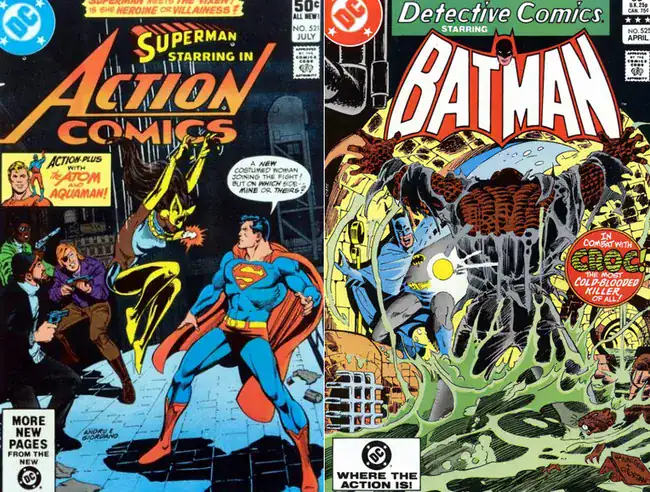
Conway creations in the early 80s include Vixen, Vibe, Gypsy, Killer Croc and the original version of Jason Todd.
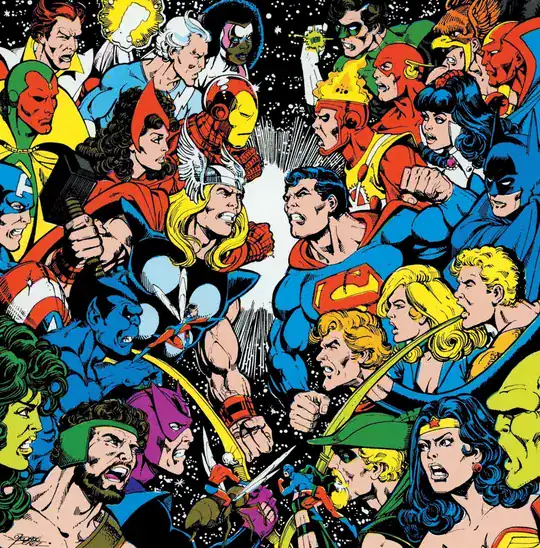
A JLA/Avengers written by Conway and penciled by George Perez was supposed to be published in 1983, but it was cancelled because the two companies had too many disputes.
Conway would return to Marvel in the second half of the 80s, where he wrote what I consider his masterpiece: his runs on Spectacular Spider-Man (#137 through #174) and Web of Spider-Man (#47 through #70).
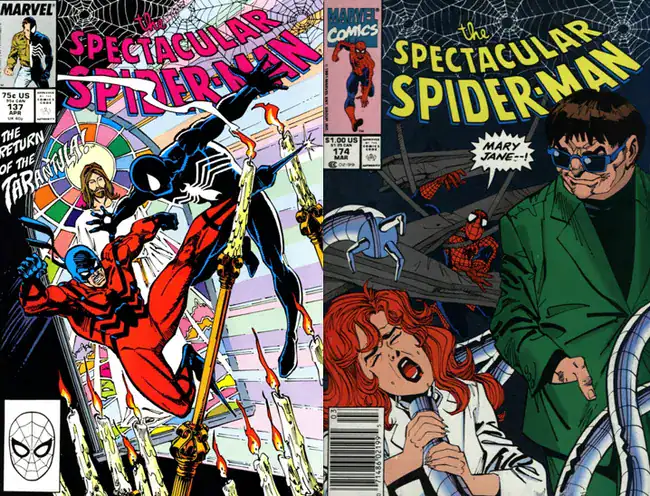
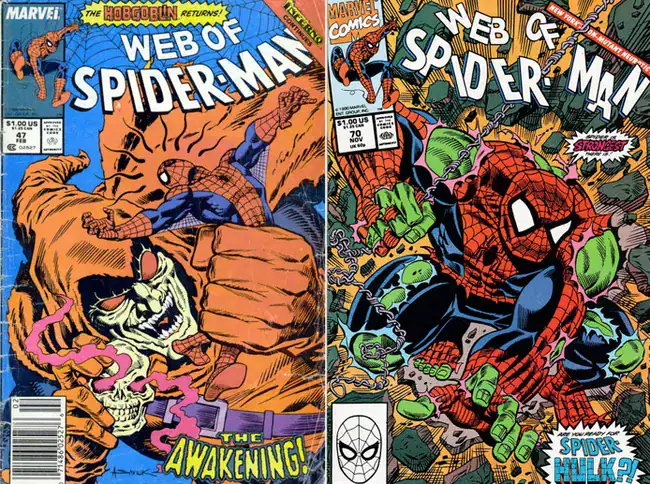
In fact, while I’m not a huge fan of Conway’s original run in the 70s, I consider both his runs in the 80s as among the best Spider-Man has ever had.
I understand the character a lot better now than I did when I was nineteen. And one of the nice things about the Marvel characters is that you can keep them fresh by changing them just a bit.
GERRY CONWAY
Conway stopped writing comics regularly in 1993, but he had a second career to work on in other media.
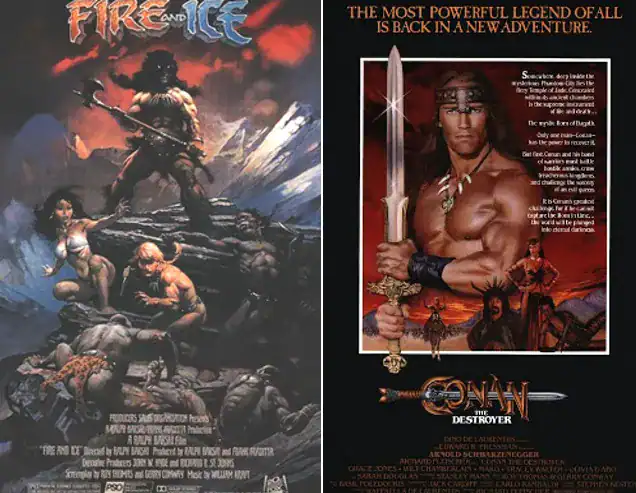
Already in 1983 he wrote the script for the Ralph Bakshi animated movie Fire and Ice, followed in 1984 with the script for Conan the Destroyer.
Both screenplays were co-written by Conway and Roy Thomas.
Between 1985 and 1987 he wrote several episodes for multiple cartoons including G.I.Joe, Transformers, Centurions and My Little Pony (of all franchises!).
After quitting comics, Conway became a prolific writer for television: his screenplay credits include Matlock, Diagnosis: Murder, Hercules: The Legendary Journeys, Baywatch Nights, Perry Mason, and multiple Law & Order series.
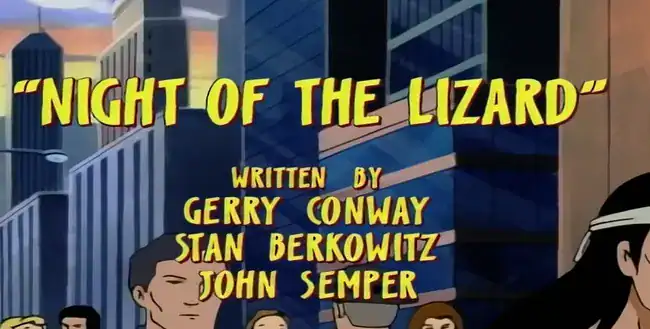
He also wrote two episodes of Batman: The Animated Series (“Appointment in Crime Alley”, “Second Chance”) and the very first episode of the Spider-Man Animated Series (“Night of the Lizard”).
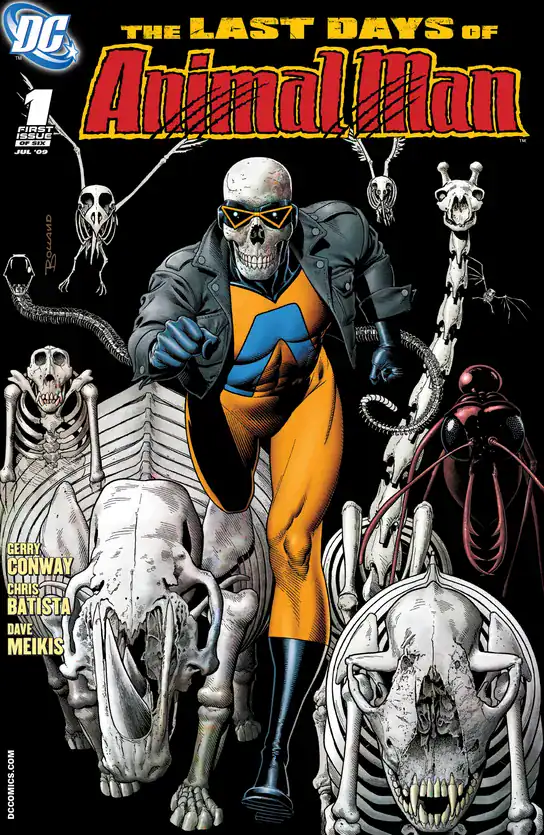
Conway returned to comics in 2009 with The Last Days of Animal Man, plus a couple of one-shots about the Justice League and Firestorm.
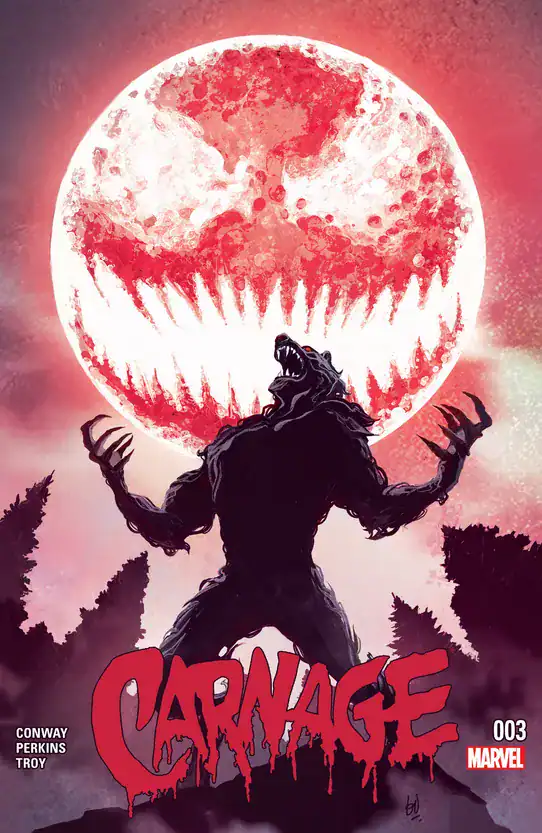
In 2015 he returned to Marvel, where in addition to several Spider-Man stories he was the regular writer for a Carnage series for 16 issues until 2017.
Which sounds weird until you remember Conway’s roots as a horror writer.
Fittingly considering his history, Conway’s last credited story for Marvel is co-writing the one shot “What If…? Dark: Spider-Gwen”.
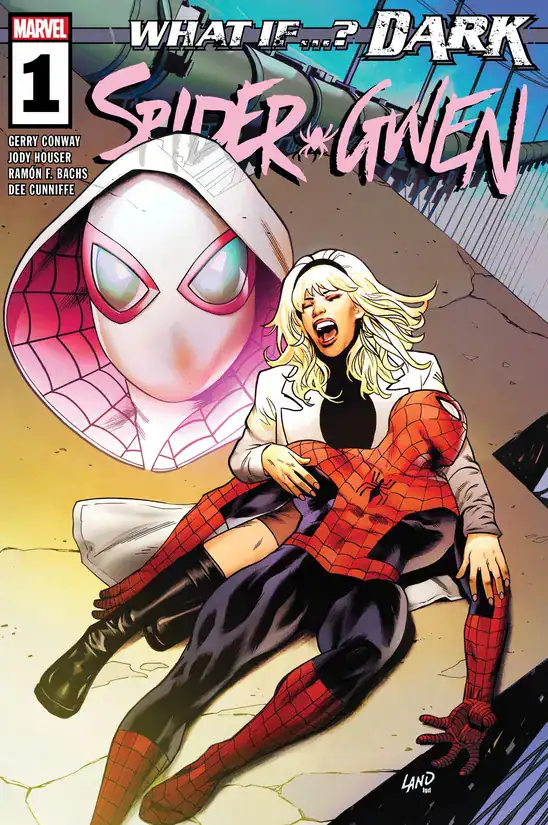
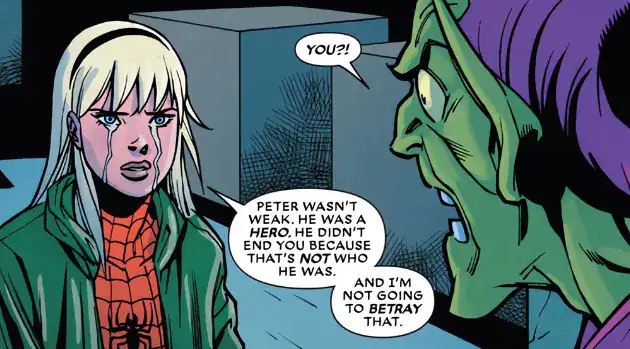
The story comes full circle: it’s a What If where Peter is the one to die and Gwen eventually takes up his legacy.
I think what probably shows the scope of Conway’s influence to both Marvel and DC is that, at the time of this writing, the latest Superman/Spider-Man crossover includes a story (written by Gail Simone) that has two of Conway’s creations meet for the first time.
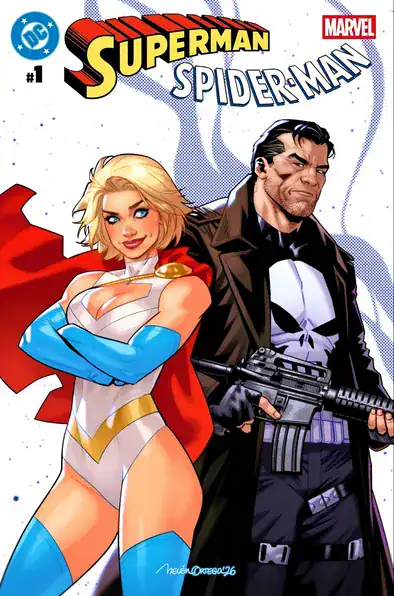
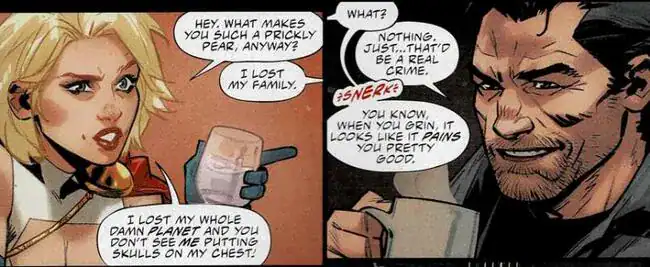
So long, Gerry. Without you, superheroes would not have been the same.
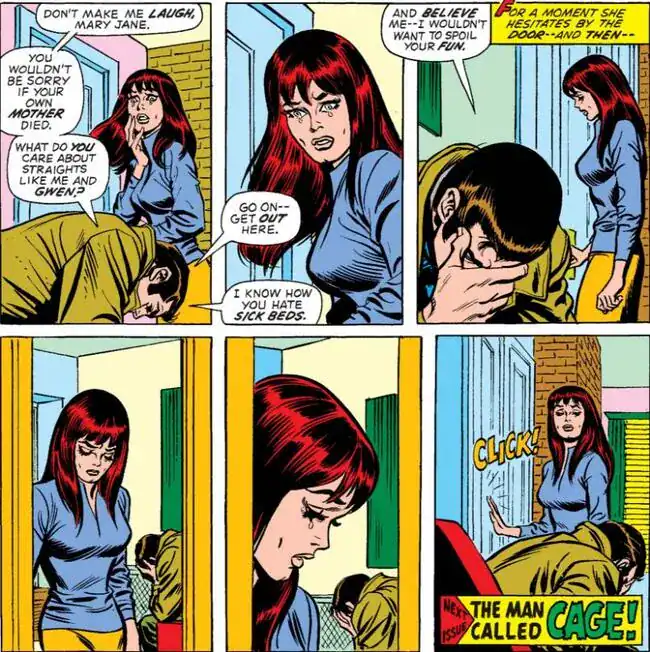
RIP, Mr Conway. You’ll be remembered.
RIP. Early Firestorm was so good. For almost 4 years, until Ronnie graduated and they all moved to Pittsburgh. As you note, Conway’s JLA had some bangers too, although the drop-off in quality after around 223 was marked, even before JLDetroit (which wasn’t as awful as people remember, until Crisis sort of hollowed it out).
Conway was such a ubiquitous writer that it’s easy to forget the specifics of what he created and how impactful his writing was. I was not an FF fan, but I happened to buy the issue in which Reed zaps his own son. It stayed with me because Reed literally had no choice, but that’s not how Sue saw it. The final panel in which Sue walks off, cradling Franklin, as a defeated Reed drops the ray gun captured his feelings: Even in winning, he lost.
Someone on Facebook reminded me of all the things Conway contributed to the Legion: Blok, the League of Super-Assassins, Phantom Girl emerging as a strong character, Brainiac 5 recovering from insanity, etc. Although Conway’s run isn’t among my favorites, he left a lasting impact.
What a legend. Rest in peace. Great article, I’m adding his 80s Spider-man runs to my reading list.
RIP Gerry. I enjoyed most of his JLA run, and I was kind of proud to see him become a successful TV scriptwriter. Like, local boy makes good.
FWIW, I also disliked Firestorm in the Justice League. Overpowered and awkward, what with the internal dialogue between Ronnie and Stein. Just not a good fit.
stan was the founder of spidey, conway was one heck of engineer.
The article leaves out Conway’s run on Thor. Jack Kirby left the book with issue 179, and Stan Lee continued to write it, but it floundered a bit rehashing old ideas. Gerry Conway took over with issue 193 and brought a fresh take to the character, a Lord of the Rings quality if you will. His best stories in the run, for me at least, are issue 206-207 where Conway brings back the Absorbing Man, and issues 229-231 which are part of a larger Hercules team up. Issue 229 and 230 really have a creepy feel to them and mix urban legend with the supernatural. His last issue scripting Thor was 238, making a 46 issue contribution to the original series. Of all the writers to come after the Lee/Kirby era, Gerry Conway kept Thor moving in new directions.
Gerry Conway also teamed up with Jose Luis Garcia-Lopez to write a very memorable Superman arc in issues 307-309.
Good points. Conway’s career was so vast that I had to leave something out.
While I’m not personally the biggest fan of his Thor run, he was absolutely in an unenviable position but he did indeed give the series a personal touch and kept it moving forward.
I am going to cover a couple of his Thor stories in a retrospective later this year.
I am looking forward to hearing what you have to say about his Thor run. I completely agree with you on your FF assessment, I actually believe no one got the full concept of that book until Byrne took over. That includes the Roy Thomas issues that were pretty good.