
The Brave and the Bold #60 (1965)
by Bob Haney & Bruno Premiani
cover by Nick Cardy
This is a two-in-one, considering it’s both the first Teen Titans story (kind of) and the first Wonder Girl story (kind of).
Yeah, this is an absolute continuity nightmare.
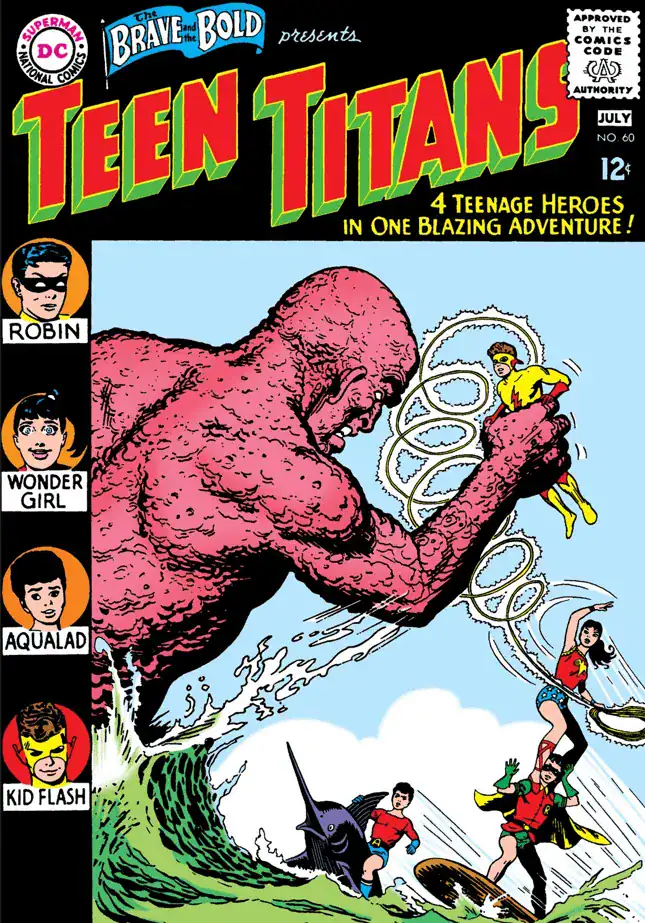
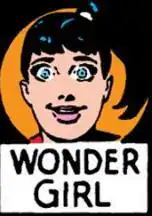
Seriously, once you learn the history of Wonder Girl, her expression on the cover is fitting.
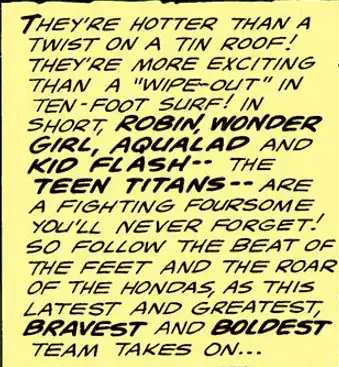
The series blatantly exists to exploit the popularity of teens in 1960s media, despite DC Comics already having another superhero team starring teenagers at the time.
With hilarious results: Bob Haney was certainly TRYING to sound cool and young when writing this. Not that he was particularly old… he was 39 at the time… but man does he sound out of step with the times.
Ever felt embarassed by how Stan Lee wrote teenage dialogue? Bob Haney is a thousand times worse (despite being 4 years younger than Stan).
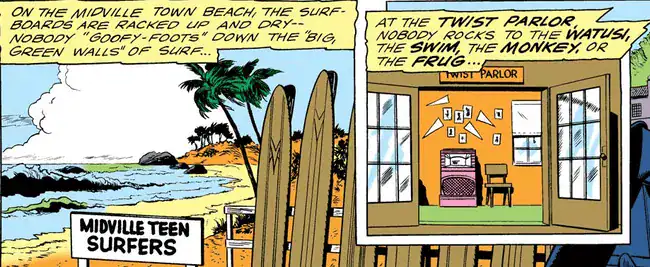
We begin in the small town of Midville, which has decided to make a teenager mayor for a day.
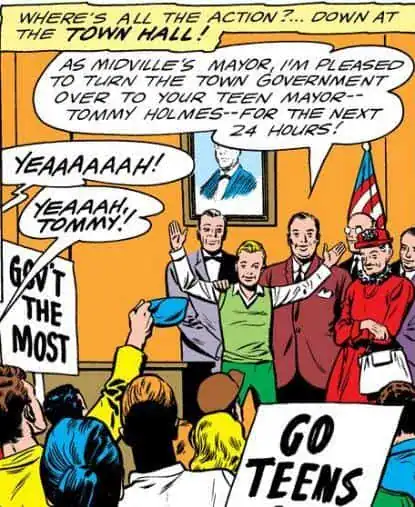
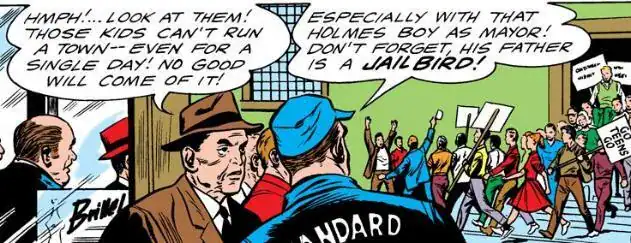
I couldn’t find a reason for why the city is doing this, by the way, besides kicking off the plot.
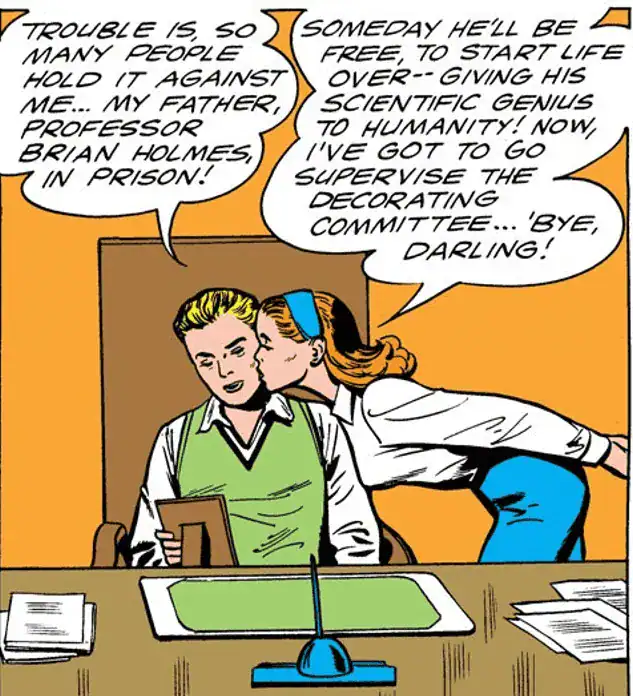
And then a giant disembodied hand attacks.
As far as Bob Haney stories go, that’s tame.
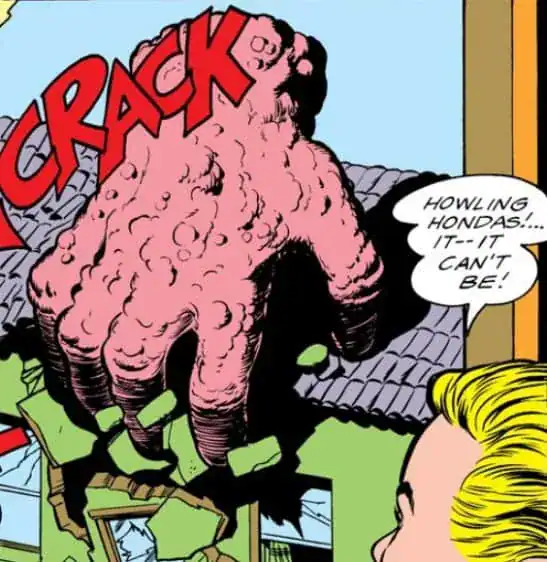
And this isn’t even an isolated incident: it has happened before!
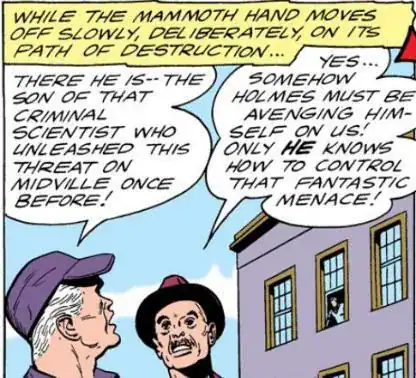
Now that there’s trouble, who are you gonna call?
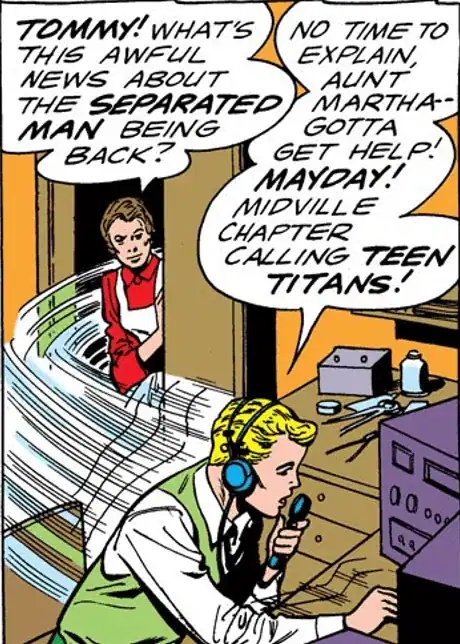
This is why I said that this is “kind of” the first Teen Titans story. It’s the first time they use the name, but the concept is slightly older.
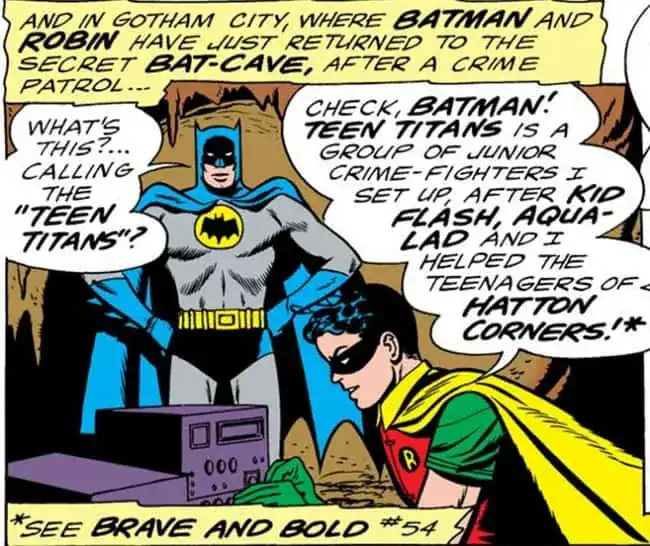
Since Robin, Aqualad and Kid Flash had already teamed up once, some people consider “The Brave And The Bold #54” from the previous year as the first Teen Titans story.
While that story IS historically significant, though, at no point do the heroes refer to themselves as “the Teen Titans”.
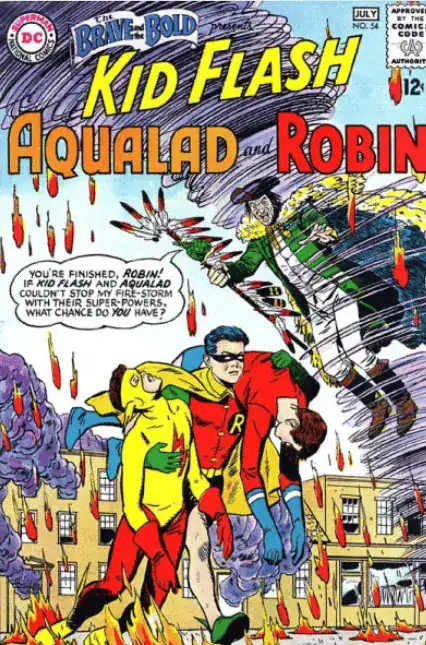
And sure, there is an argument to be made that it still counts as the first Teen Titans story.
But this issue has the advantage of also being the first Wonder Girl story… “kind of”.
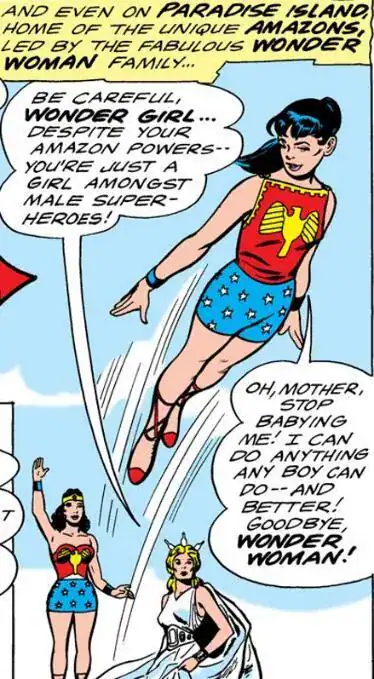
And this requires the first tangent, because what exactly can be considered the first Wonder Girl appearance is really hard to tell.
Notice that in the previous panel Wonder Girl called Hyppolitha “mother”? You could easily infer that to mean that Wonder Girl is the younger sister of Wonder Woman.
But no, the reason why Wonder Girl calls Wonder Woman’s mom “mother”… is that Wonder Girl WAS Wonder Woman.
Flashbacks to a younger Wonder Woman showed up as early as 1947, but “Wonder Girl” would only begin to star in her own stories during the Kanigher run, and show up first in 1959.
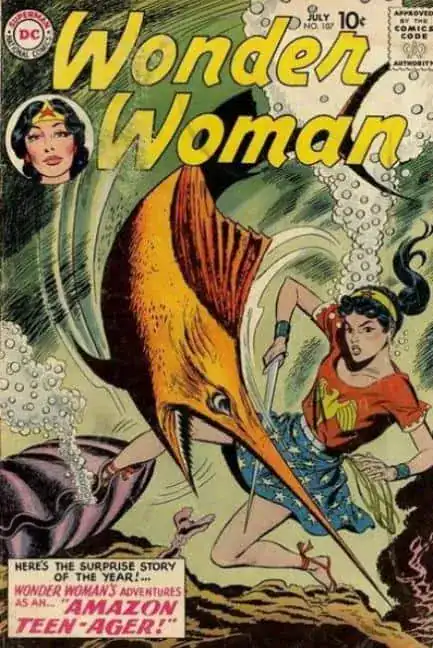
We will see that version of Wonder Girl A LOT during the retrospective, and she wasn’t even alone: she showed up many, MANY times in the so-called “impossible tales” of the so-called “Wonder Woman Family”.
Which consisted of Wonder Woman, Wonder Woman’s mother, Wonder Woman as a girl and even Wonder Woman as a baby… Wonder Tot.
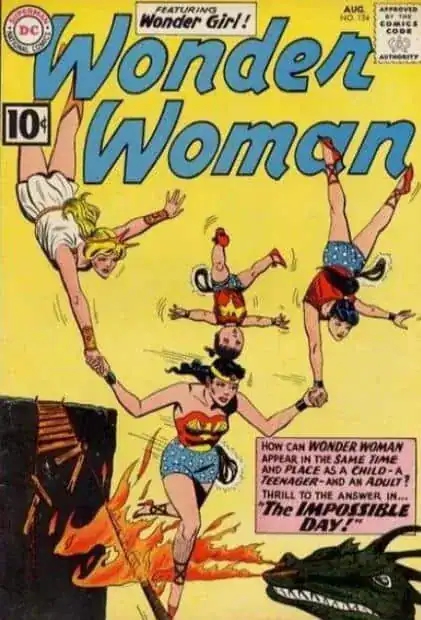
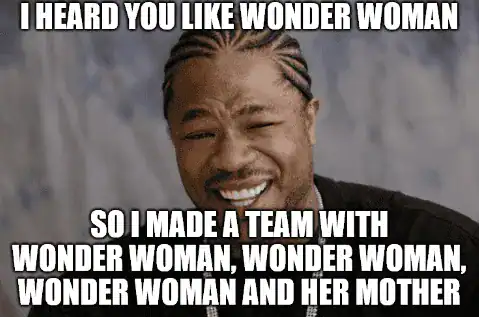
In fact, the same month the Teen Titans debut, Wonder Girl attended the marriage of her older self.
We’re going to see some WILD stuff once I finally start that retrospective.
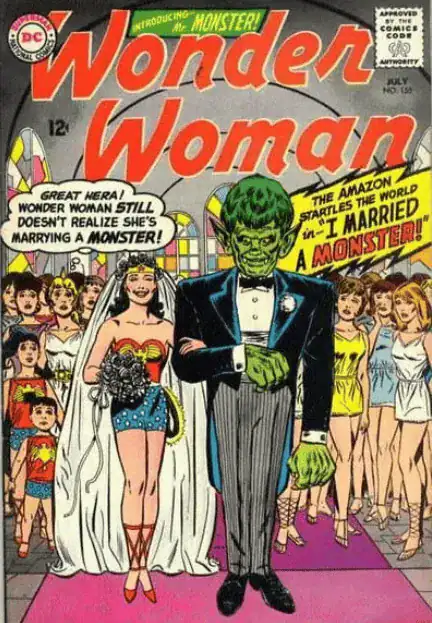
So at this point in time, there are only two possible versions of why Wonder Girl shows up in Teen Titans:
1) Bob Haney really did intend her to be a younger Wonder Woman
2) he had no clue who Wonder Girl was and just assumed she was Wonder Woman’s sister
Considering Bob Haney stories are barely in continuity WITH THEMSELVES, the second option is more likely.
I’ll get back to Wonder Girl’s confusing history after the review, but spoiler: THIS WAS THE EASY PART.
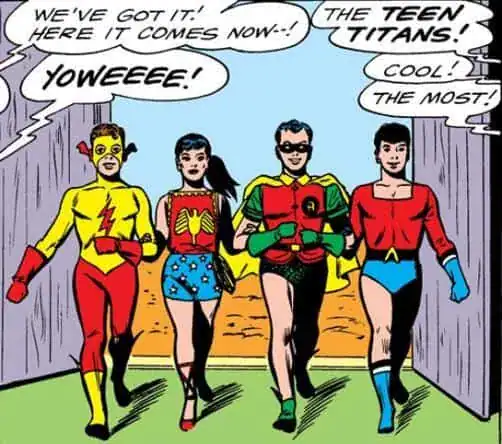
The Teen Titans answer the call, arriving in an iconic if quite awkward panel.
So where did that monster come from? The town is right, it WAS created by the teen mayor’s father.
Also, brief aside: Premiani’s artwork isn’t as good as it was on Doom Patrol, but notice there isn’t a single teen who is the same height of anyone else. Neat deatail, that happens rarely.
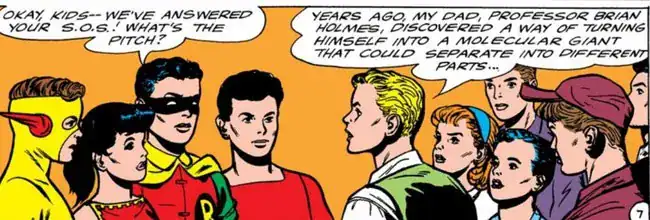
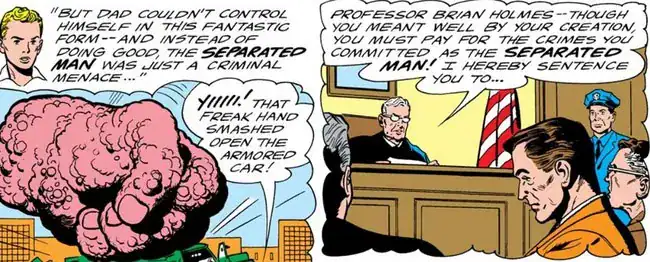
The scientist previously turned HIMSELF into “the Separated Man”… but he’s the one showing up riding a pair of giant feet.
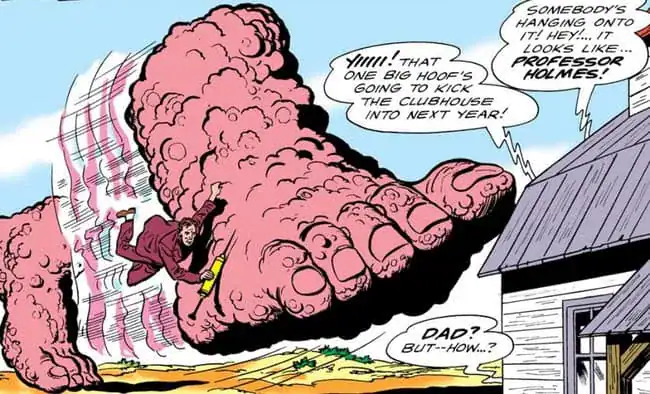
Wonder Girl saves the day, demonstrating that she also has the Lasso of Truth…
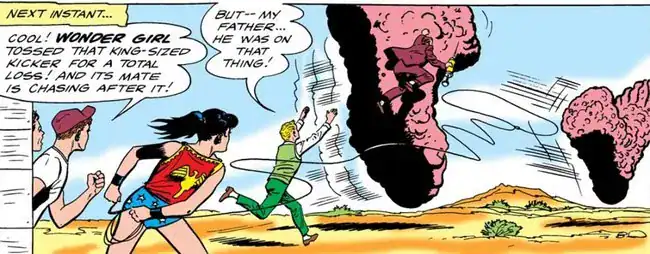
…and probably different tastes.
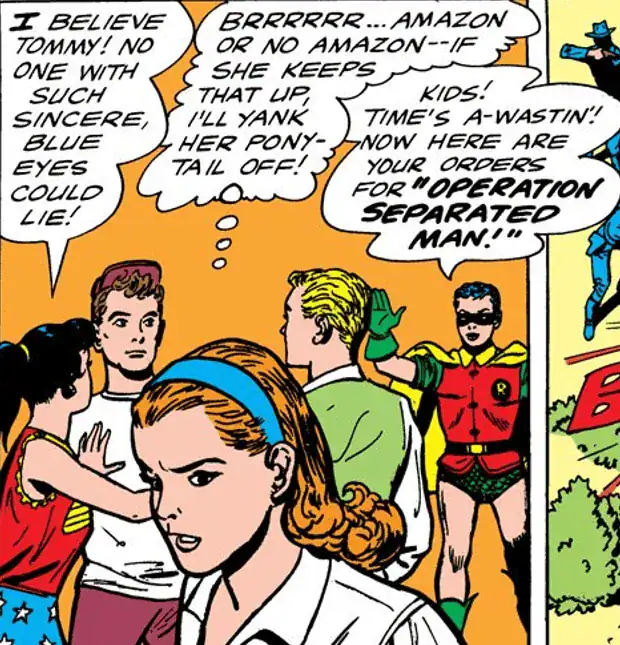
You would think that a team who has a girl with Amazon strenth and a guy who can run faster than time wouldn’t need bikes. Don’t be a square, man.
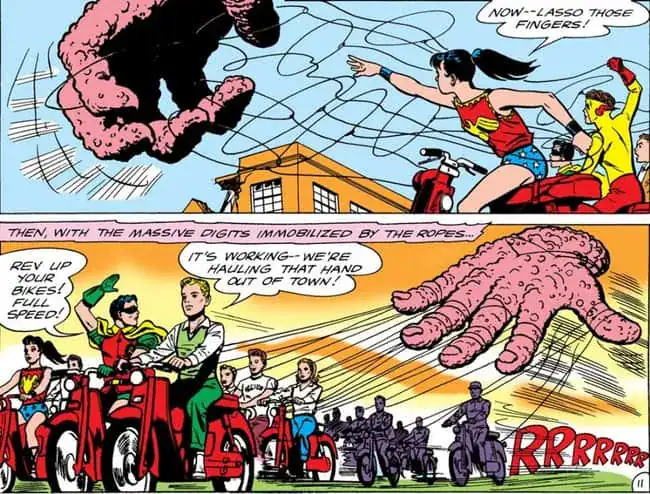
We’re not going to see ALL the body parts of the Separate Man, I hope?
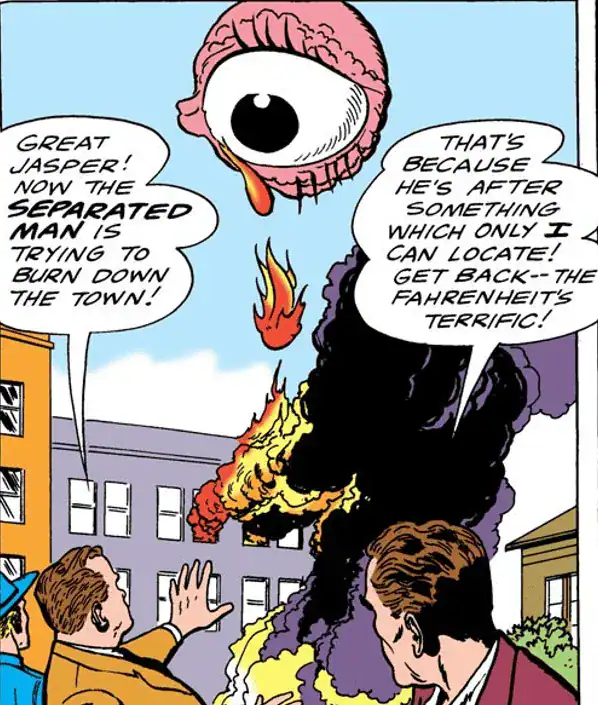
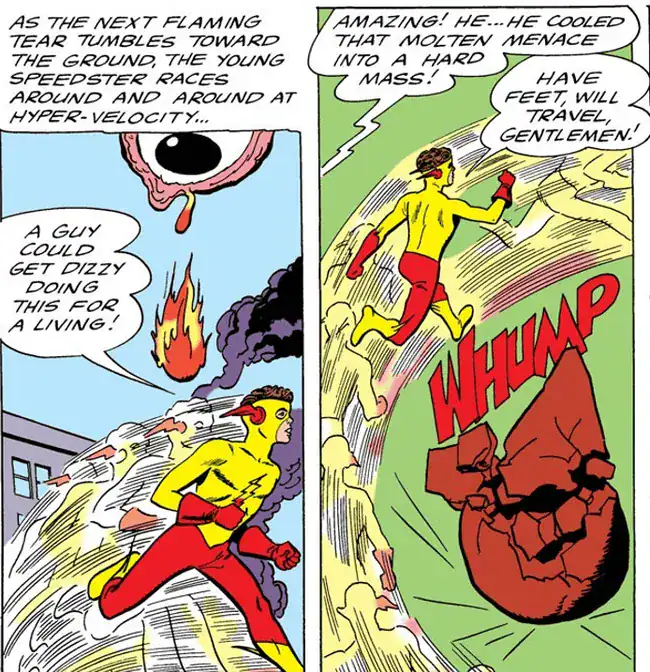
The story does find Kid Flash something to do, which is more than I can say about Aqualad.
The Sparated Man isn’t the scientist after all; it’s his prison buddy.
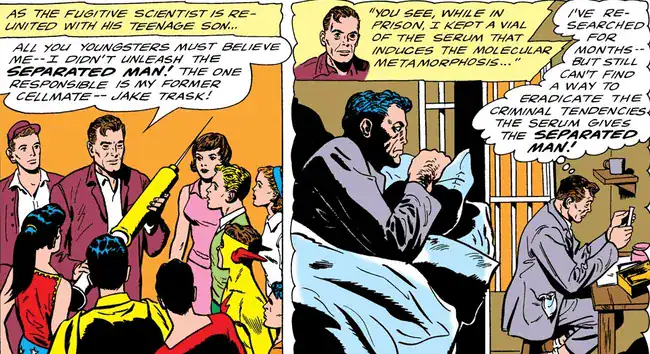
The fact that the scientist managed to smuggle a vial of the serum into prison already stretches credulity, but where did he hide that giant syringe!?
On second thought, I don’t want to know.
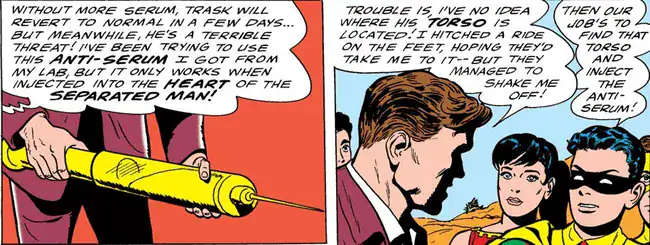
Alright, I suppose I was being too harsh on Aqualad. He provides something nobody else on the team has: functioning eyes that can see something the size of a house.
Wait…
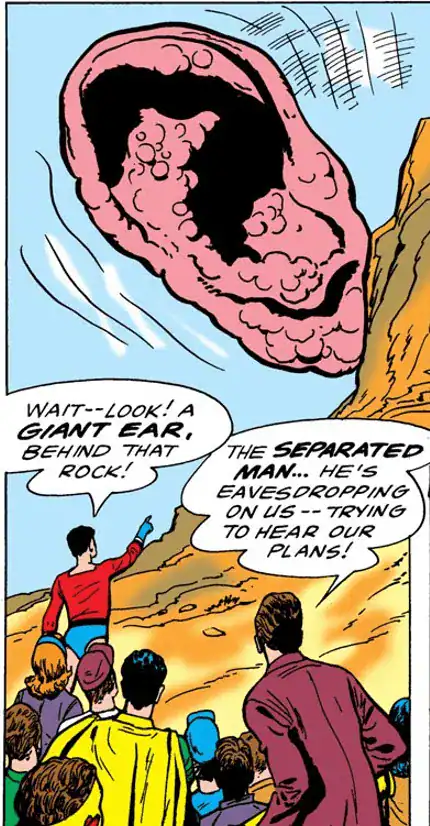
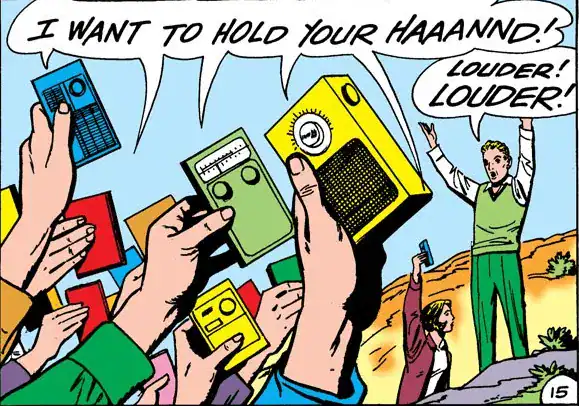
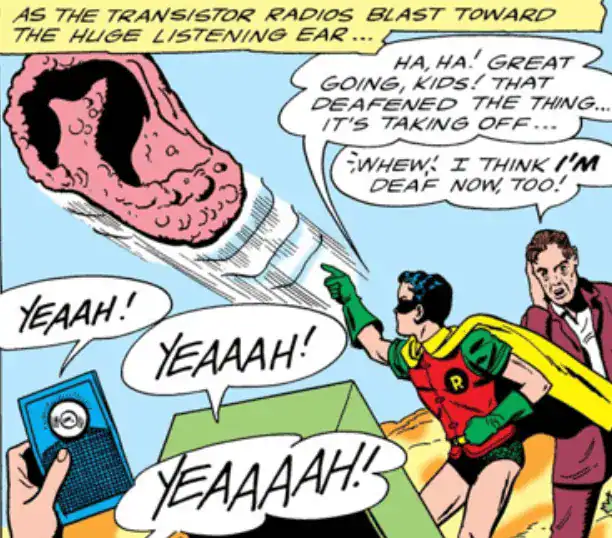
And the day is saved by the power of transistors. What is this, Silver Age Iron Man???
The plan is to have Wonder Woman follow the Separated Man. Personally, I would’ve chosen the guy who can circle the Earth a billion times a second.
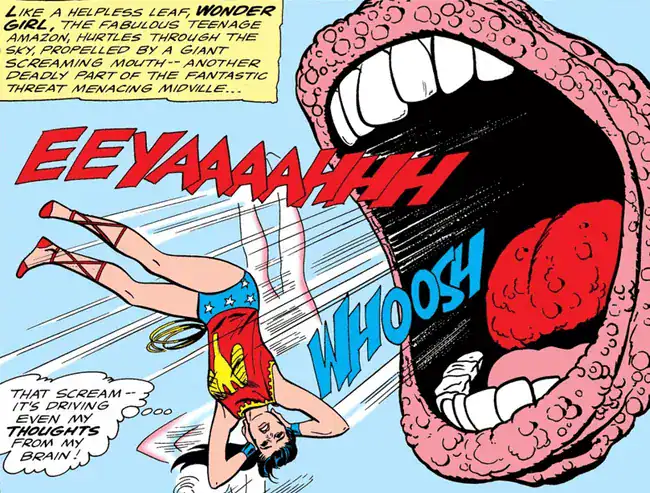
Now don’t be shocked, but this Bob Haney Silver Age story is kind of silly.
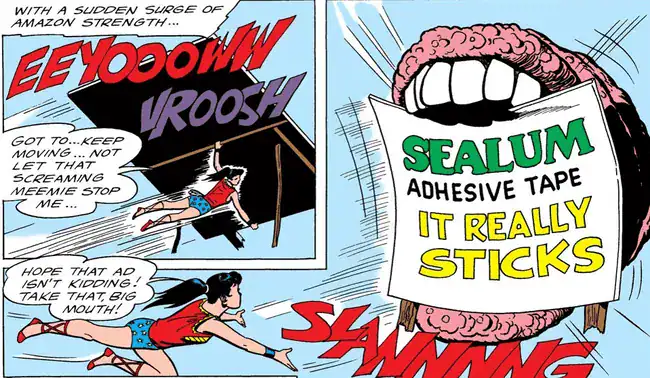
You know what? Good call on not asking Kid Flash.
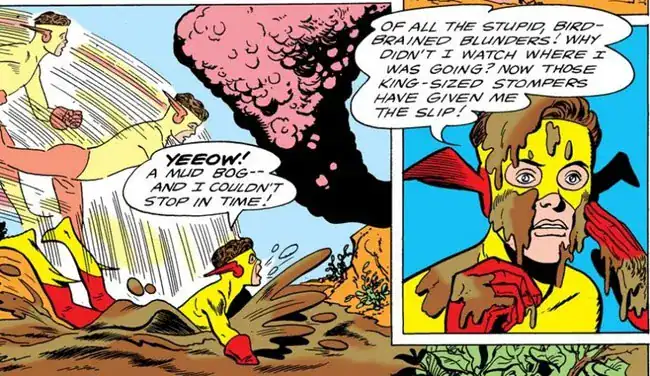
This looks like a job for Aqualad!
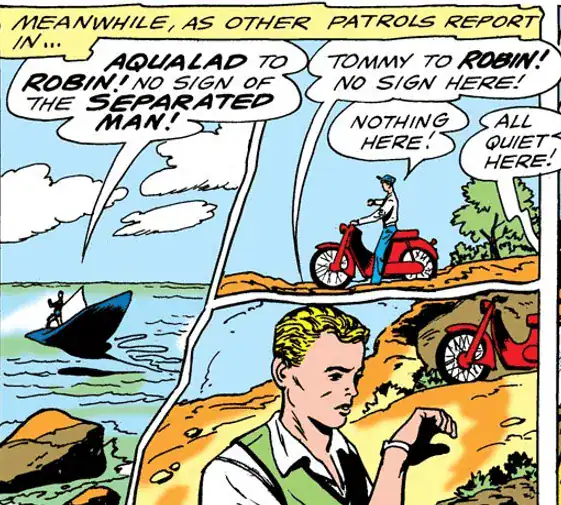
Awesome job, Aqualad, keep up the good work.
What would we ever do without your power to notice gigantic ears that… no, wait, anyone can see those. Nevermind.
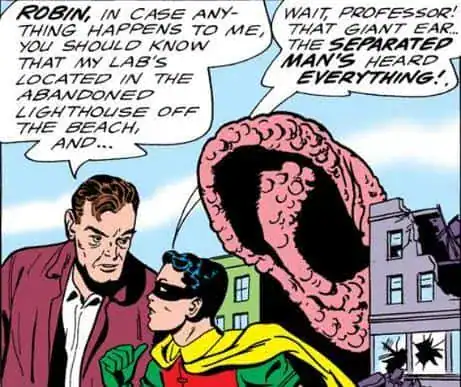
But the Separated Man attacks all the “gremmies, hodads and hot doggers”.
Whatever those words mean.
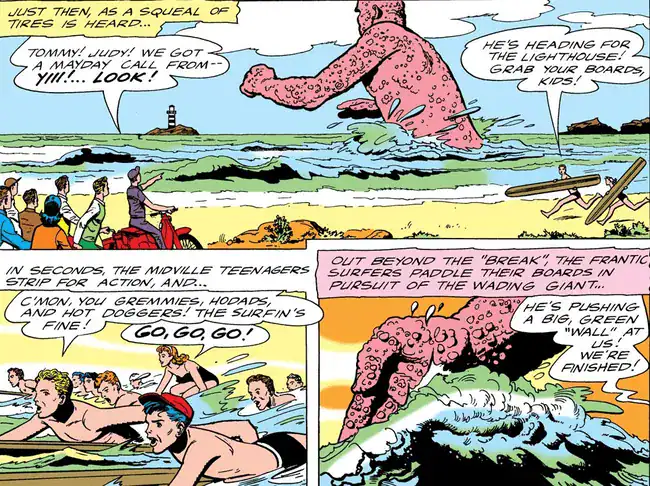
Aqualad to the rescue!!!
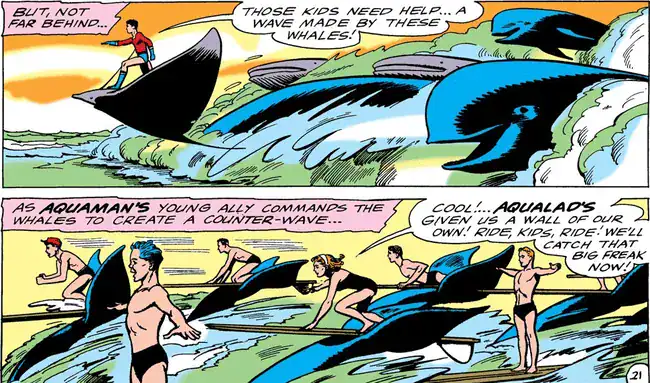
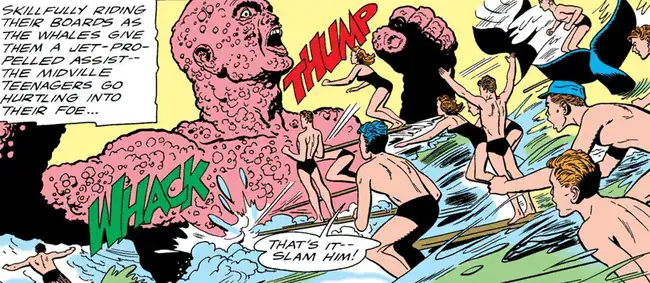
Presumably by having the surfers kill themselves when they slam against a giant.
HOW IS THIS HELPING!?
The finale requires an underwater fight. Surely that will be Aqualad’s time to shine!
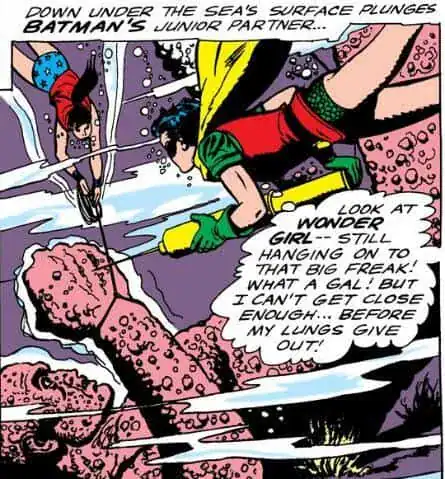
Instead, Aqualad is THE ONLY ONE who doesn’t participate IN THE UNDERWATER FIGHT.
I swear you can’t make this stuff up.
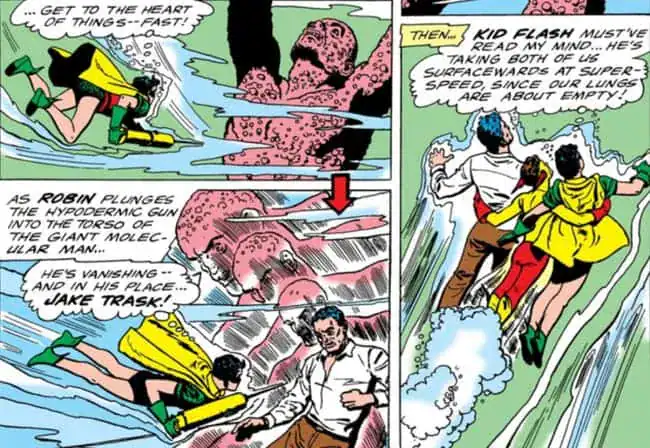
What’s even the point of centering the plot around a surfing town if you’re not even going to let Aqualad do anything!?
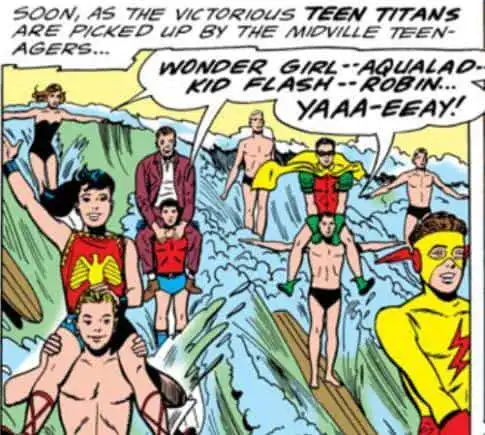
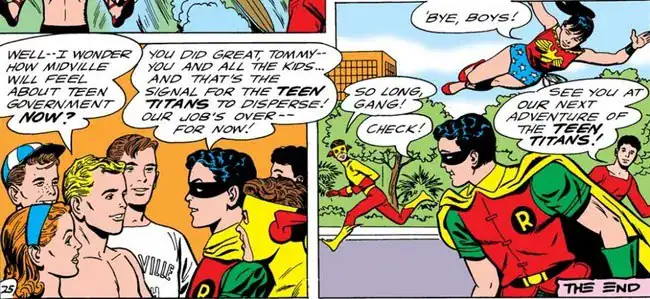
And with the day saved, the teen heroes can just go back home.
Historical significance: 6/10
The Teen Titans are, of course, a very prominent part of the DC Universe. But their first adventure is not very notable on its own, especially because of all the technicalities.
Silver Age-ness: 10/10
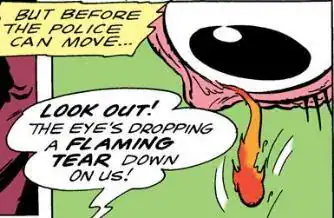
Does it stand the test of time? 0/10
The Bob Haney Teen Titans are… rough, to say the least. The attempt to pander to the teenage demographic is beyond clumsy, and the plot is incredibly basic for the times.
The heroes are anything but remarkable. You would think that at the very least Robin and Kid Flash would be more fleshed out, considering their careers, but they’re barely there.
Surprisingly for the era, Wonder Girl is by far the character who does the most. Well at least who TRIES to do the most; she doesn’t accomplish much.
And then there is Aqualad. Who again, and I can’t stress this enough, is the only Teen Titan who doesn’t participate IN THE UNDERWATER BATTLE.
Only Bob Haney.
How close is this to the modern team? 0/10
The only concept that manages to stuck is “superhero team made of teenagers”. Which I guess IS the whole basis, but the four founders don’t come across as having a particularly strong chemistry in their very first story.
I can’t possibly analyze the entire history of the team, considering they have QUITE a complex one. But I can at least say a few things about their first series.
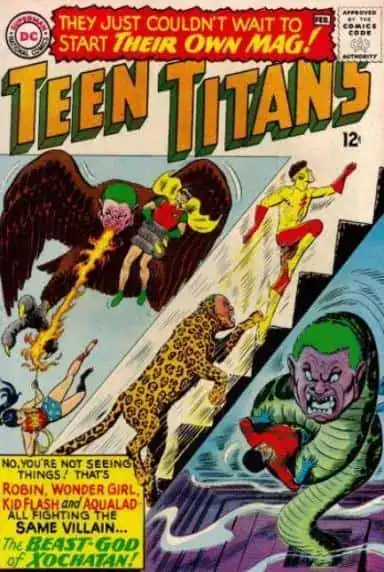
They would receive their own book in 1966, still written by Bob Haney but with the pencils of the artist most associated with the original team: Nick Cardy.
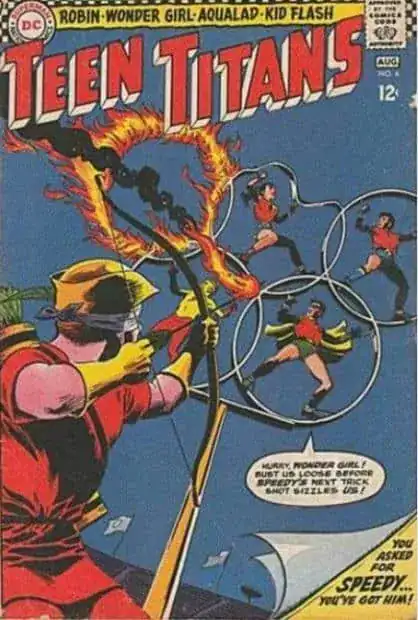
Speedy was later retconned into being one of the founders, despite not showing up until issue 4 and not being a regular until issue 19.
Bob Haney would be followed by Robert Kanigher, who would change the tone of the series into a more serious one.
Yeah, I’m as shocked as you are.
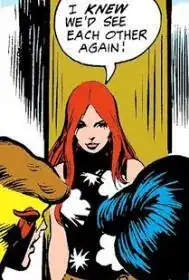
New members were also introduced: the psychic Lilith and the pre-established superhero duo of Hawk & Dove.
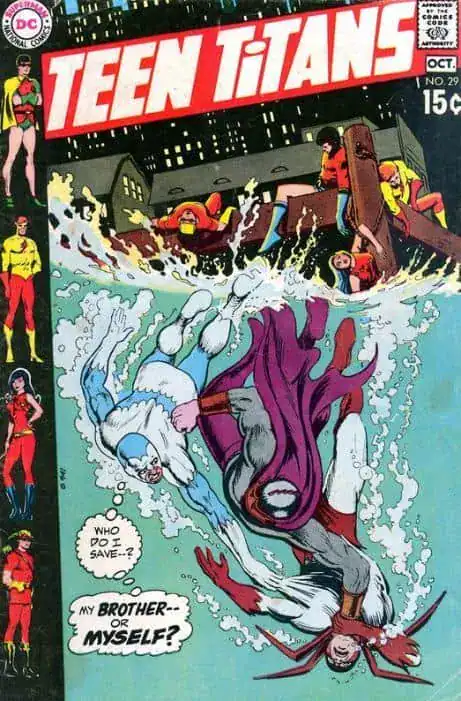
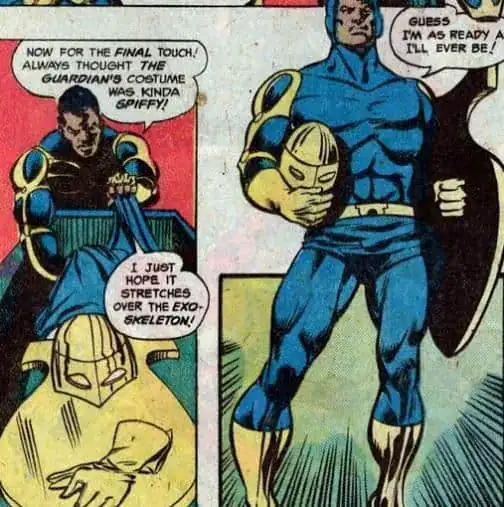
The next member is Mal Duncan: initially just a kid without powers, but he would later (#44) become the new Guardian. He would later get the codename Hornblower, although he’s much better known as Herald and lately has used the codename Vox.
If you count him from his first appearance on Teen Titans #26 (April 1970), he’s the first black superhero of DC Comics.
Yep, he’s an earlier character than John Stewart (1971), Tyroc (1976) or Black Lightning (1977)… but that’s only if you count his FIRST appearance: he doesn’t get a superhero identity until 1976.
I should also point out that he’s been credited as the first interracial kiss at DC (with Lilith) and that Marvel beat them both with their earliest black superhero (Black Panther, 1966) as well as the first African-American superhero (Falcon, 1969).
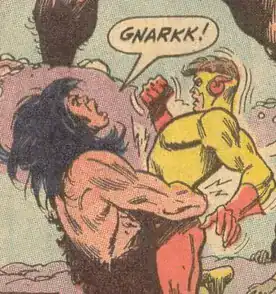
Fans of the last season of the 2003 Teen Titans cartoon might recognize the unfrozen caveman Gnarkk, joining in issue 33.
Issue 46 has easily the most bonkers new member… yes, even weirder than Gnarkk in my opinion.
That would be Joker’s Daughter…
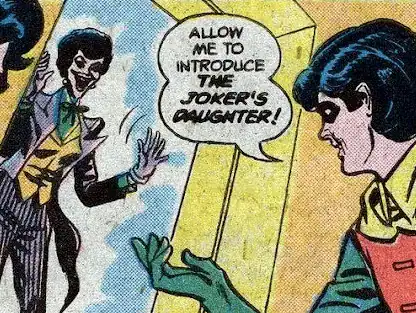
…who is, confusingly, actually the daughter of Two-Face.
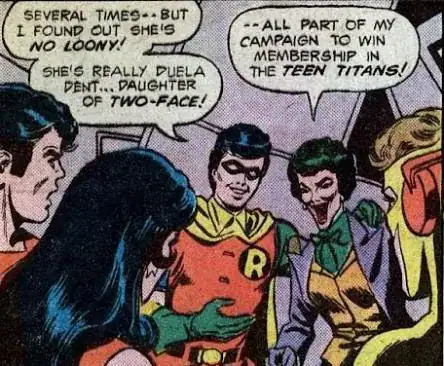
Issue 46 has another new member with Bumblebee. She was one the least known DC heroes for DECADES, but her popularity has skyrocketed in the past few years.
I mean, she’s not a household name or anything, but compared to the 70s she might as well be.
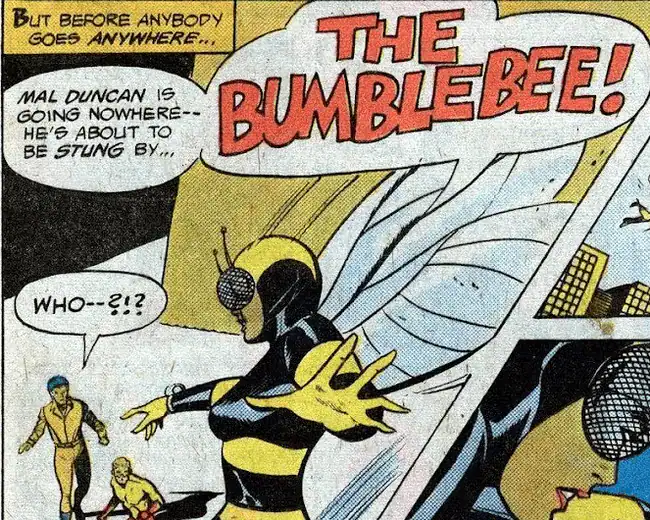
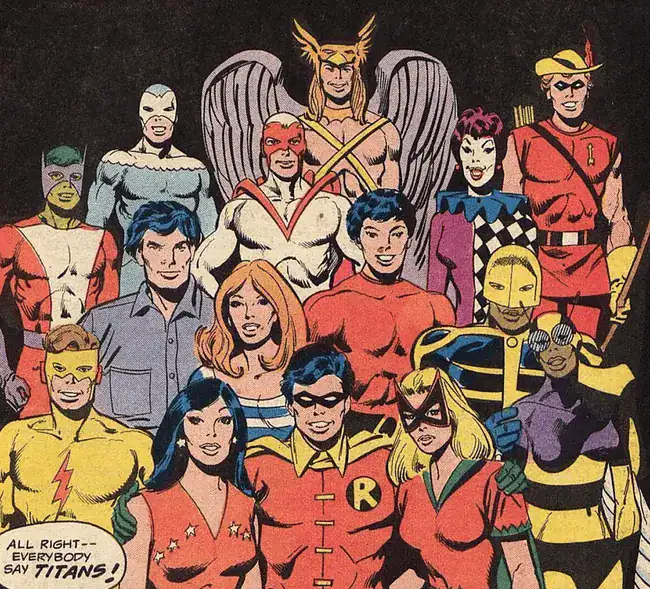
The series was clearly trying to see what would actually stick. By issue 52, THIS was the roster:
- The main team: Aqualad, Bumblebee, Guardian, Harlequin (the former Joker’s Daughter), Kid Flash, Robin, Speedy and Wonder Girl
- But they ALSO had the Titans West sub-team: Bat-Girl (the sidekick of the original Batwoman), Beast Boy, Hawk & Dove, Gnarrk, Lilith and Golden Eagle.
Take a guess which superhero Golden Eagle was a fan of.
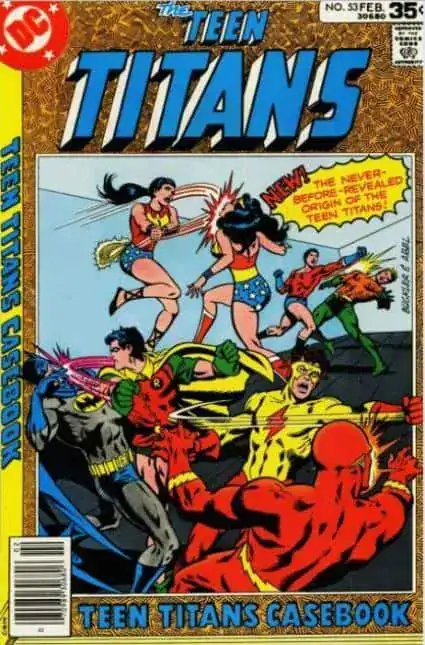
That shake-up wasn’t even given the chance to work: the following issue, the original series was cancelled in 1978.
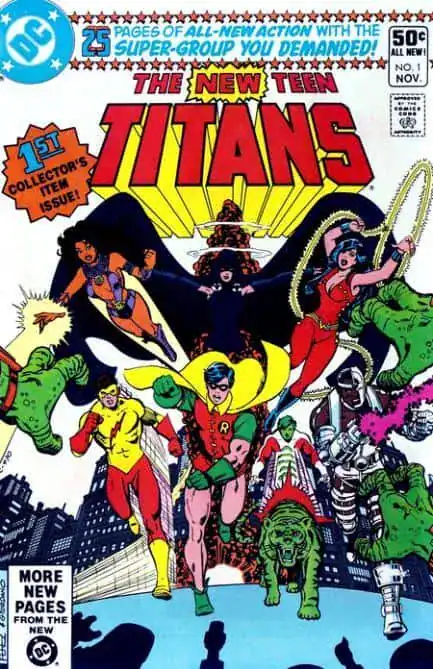
But the team didn’t stay dead for long. Only two years, actually, before the start of a new revival that was WILDLY successful.
We’ll talk about that one in due time.
How close is this to the modern character, or:
how do we STILL don’t know Donna Troy is?
And all of that was just the appetizer, because now I have to talk about the only character who can compete with Hawkman when it comes to confusing origins: Wonder Girl herself.
Sit comfortably, this is not going to be an easy one.
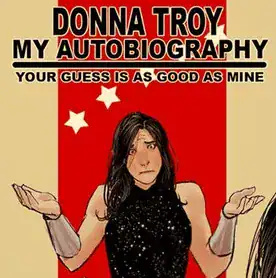
The first issues of Teen Titans didn’t address the fact that a younger version of Wonder Woman was hanging out with the other sidekicks.
But Teen Titans #22 actually gave us the first Wonder Girl origin.
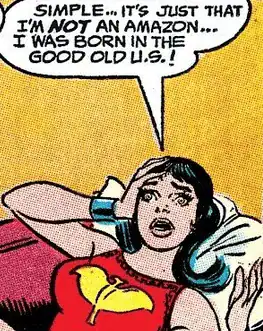
She was an orphan with no name who Wonder Woman rescued…
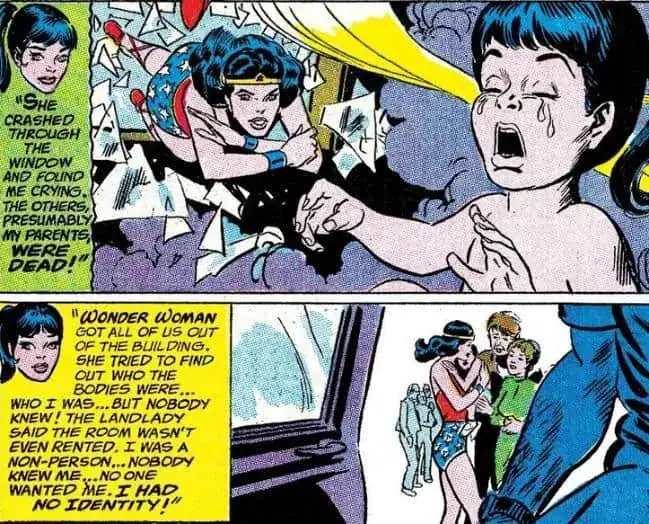
…and brought her to Paradise Island, where she was raised and where she was eventually given powers.
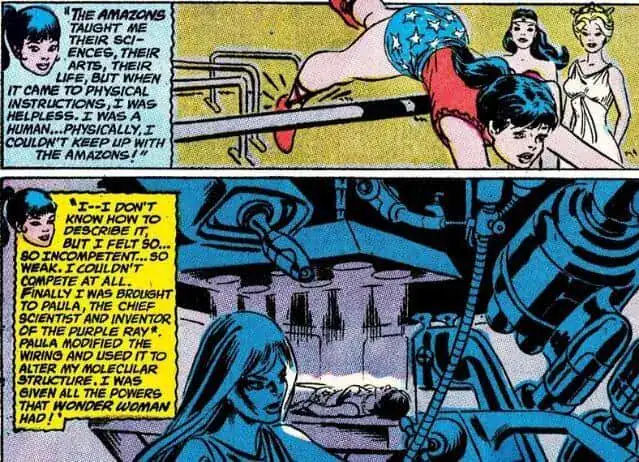
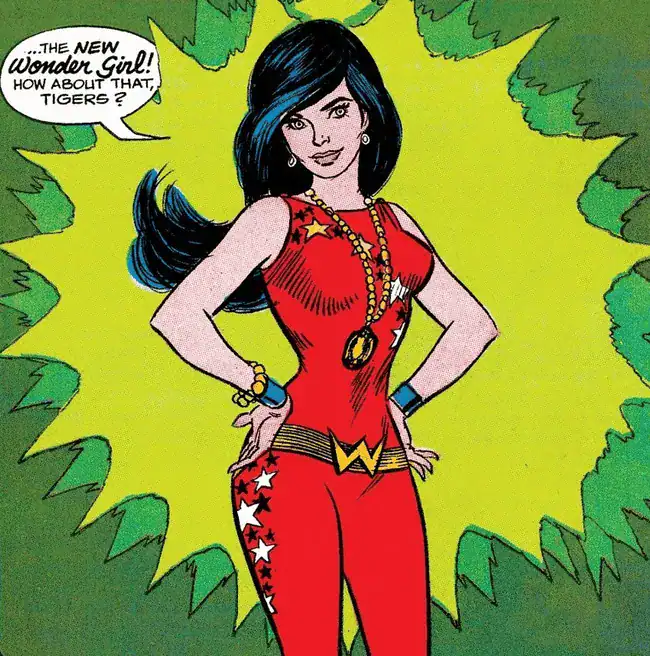
It’s the first time she uses the Donna Troy civilian name, and the same issue where the classic Wonder Girl costume is introduced. She will keep this one for QUITE a while, and it’s occasionally re-used by some of her successors.
It’s surprisingly solid, despite or perhaps because of its simplicity.
The origin would be expanded in 1984, in a story with a title you will definitely get sick of by the end of this post: “Who is Donna Troy?”.
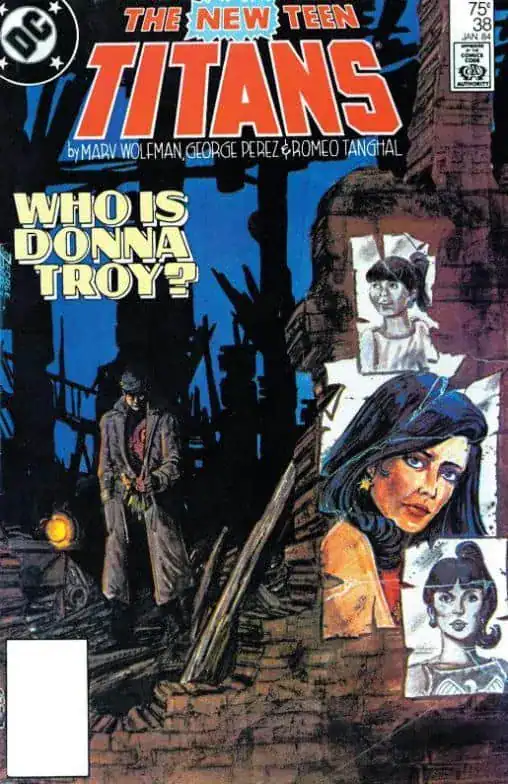
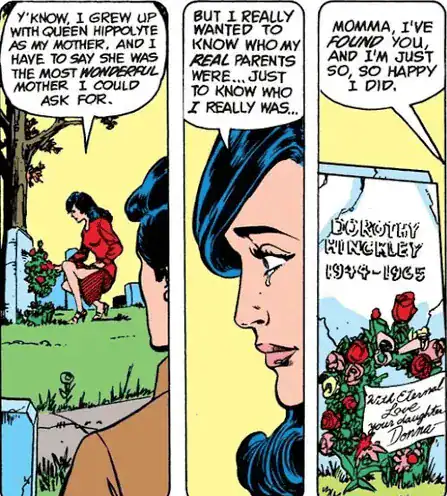
And that origin… orphan who grew up on Paradise Island… was good enough from 1969 to 1988.
Crisis On Infinite Earths, and in particular the George Perez relaunch of Wonder Woman, had introduced a change that would snowflake into a disaster for Wonder Girl.
Because post-Crisis, Wonder Woman reached “man’s world” only AFTER the events of Crisis, whereas Wonder Girl had been active with the Teen Titans from earlier… so Wonder Woman couldn’t have been around to save Donna Troy as a baby.
This resulted in the a storyline called… what else… “Who is Wonder Girl?”
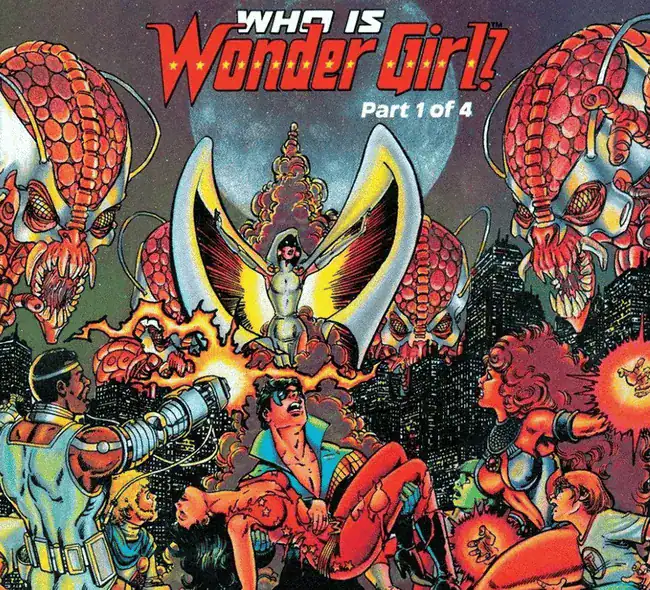
Marv Wolfman decided to strengthen the relationship between Wonder Girl and Greek mythology while simultaneously removing the Wonder Woman connection.
Because now Donna Troy was saved by the Titans of mythology directly.
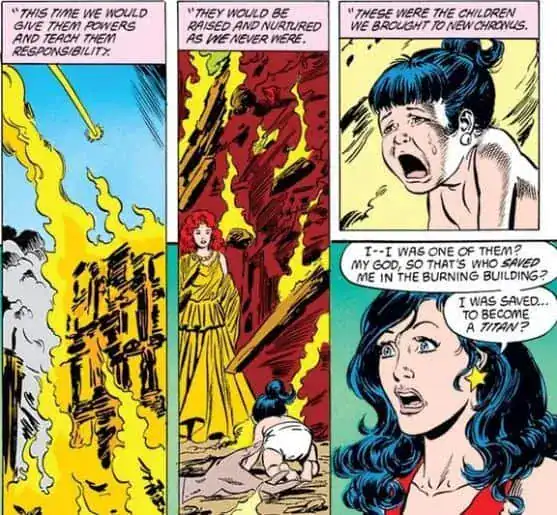
After the end of a complex but still enjoyable mythological saga, Donna ditched the Wonder Girl codename to become Troia.
Which is, uhm, REALLY problematic of a codename for the Italian translations.
Because in Italian, “Troia” is both the translation for the mythological city… but the same exact word is the most vulgar for “prostitute”.
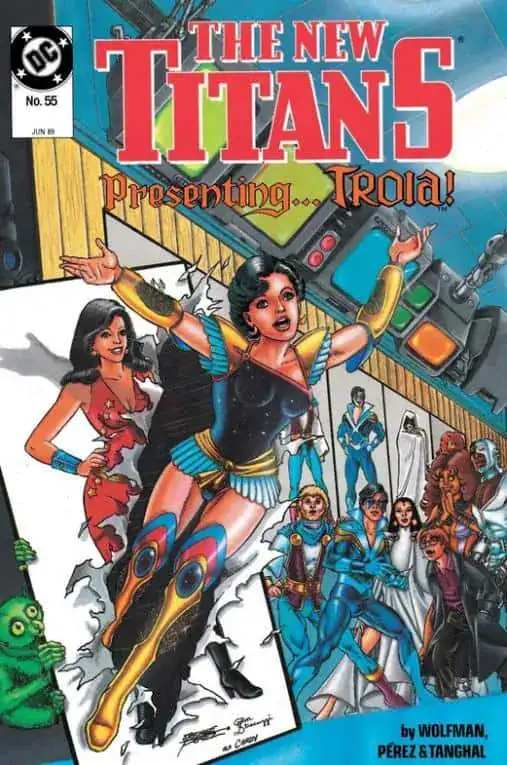
This has made her Italian appearances in this period, uhm, awkward to say the least.
You try keeping a straight face when talking about Wonder Woman’s sidekick taking the codename “W##re” once she grows up.
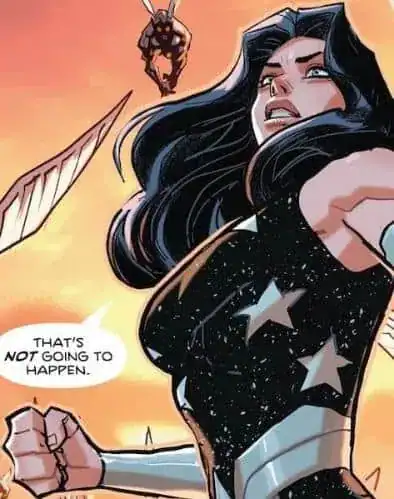
Donna went through A LOT over the years… she got married, had a kid, got divorced, lost her powers, lost her son in a car accident (!!!), became a Darkstar (long story)… but her origin was left as it was for another decade.
Until in 1998 she received a THIRD origin story in the John Byrne run on Wonder Woman.
In this VERY confusing storyline we learn that Donna is a “mystical twin” of Wonder Woman who is later twisted by a powerful evil sorceress, Dark Angel.
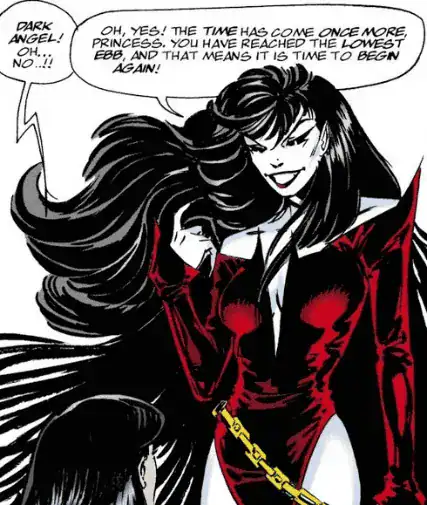
Dark Angels scattered Donna’s soul across the Multiverse, leading to a saga that asked *sigh* “Who is Donna Troy?”.
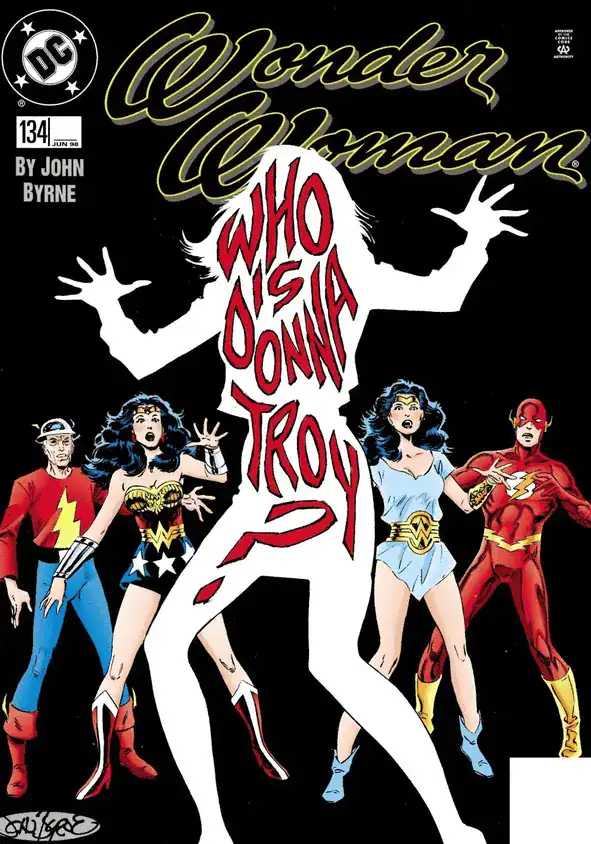
It’s also a shockingly brutal storyline, because Dark Angel ends up torturing Donna across perhaps an infinite amount of different lives.
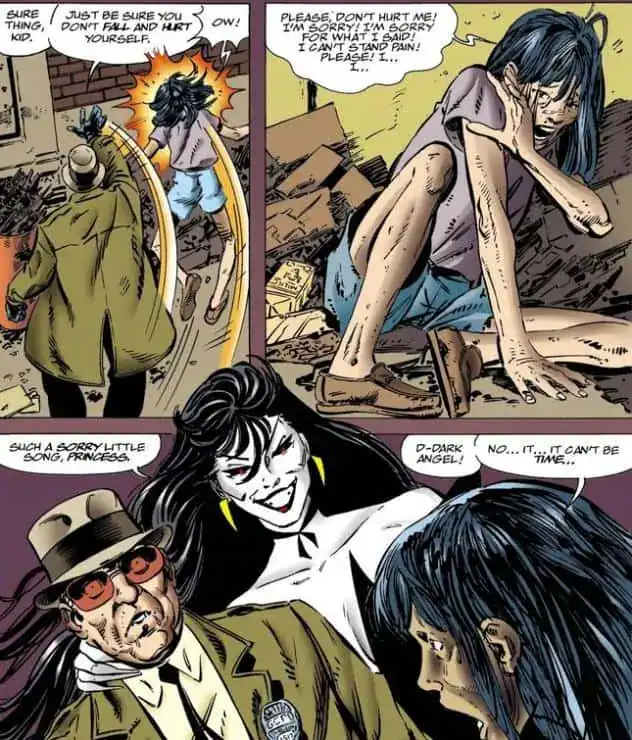
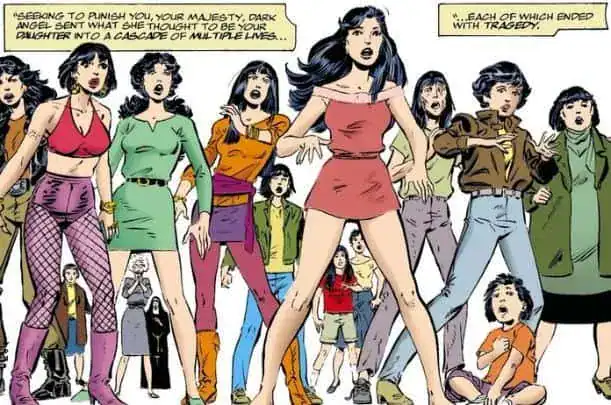
Dark Angel erased Donna Troy from history, but she was restored based on the memories of Wally West (???) thanks to the help of Wonder Woman, who at the time was the Goddess of Truth (don’t ask).
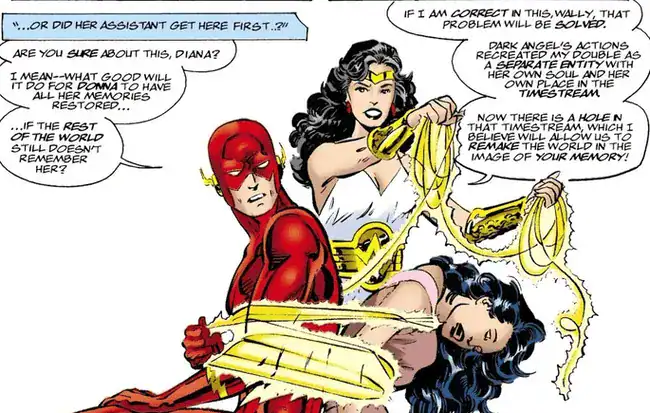
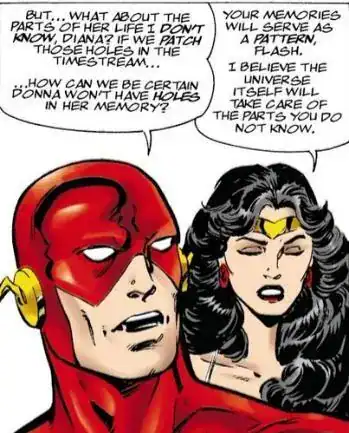
This resolution made next to no sense, as addressed in the 1999 Titans series.
Because if you take it at face value, it means that Donna Troy isn’t even a person anymore: she’s a living memory of one of her friends.
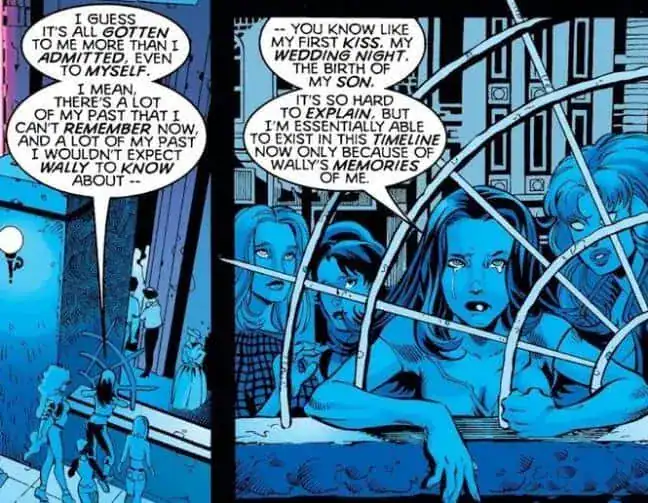
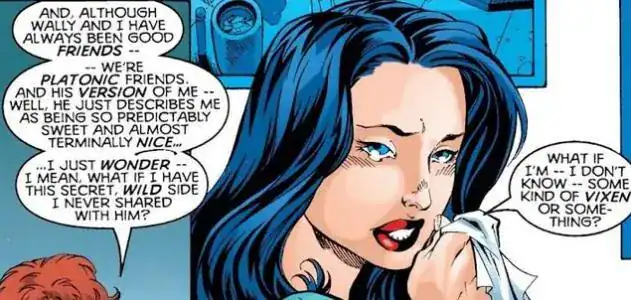
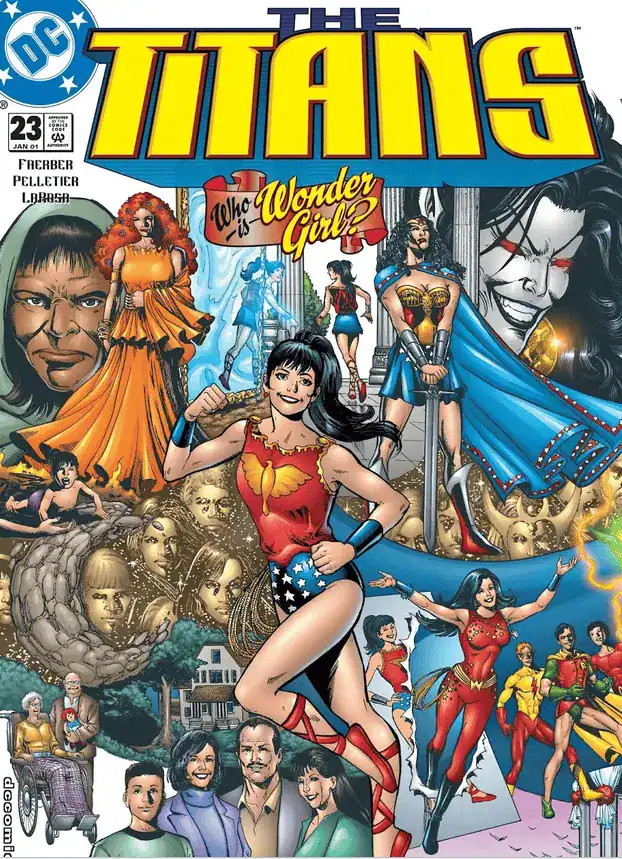
This was elaborated later in the series in a storyline called either “Who is Troia?” or “Who is Wonder Girl?” depending on whether you look at the credits or the cover.
If I understood this correctly… BIG IF… this restored Donna to being a whole person and not just a reconstructed memory. I think.
And that SHOULD have been enough, right? They already messed up with multiple timelines, but they finally patched things up!
Until 2007 when Wonder Woman Annual #3 asked, “Who is Wonder Woman?”.
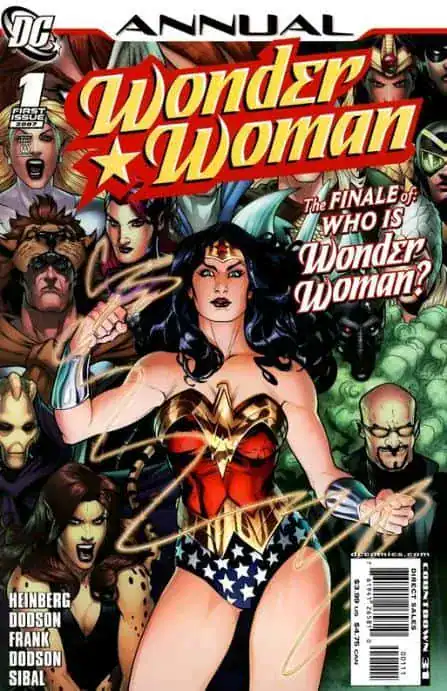
With a title like that you KNOW they wouldn’t resist retouching Wonder Girl, who received her FOURTH origin story.
She was still a magical twin of Wondy and was still connected to Dark Angel, but was later adopted by the Amazons where she was trained both by them and by the mythological Titans. So in a way, this mixed all the previous versions together.
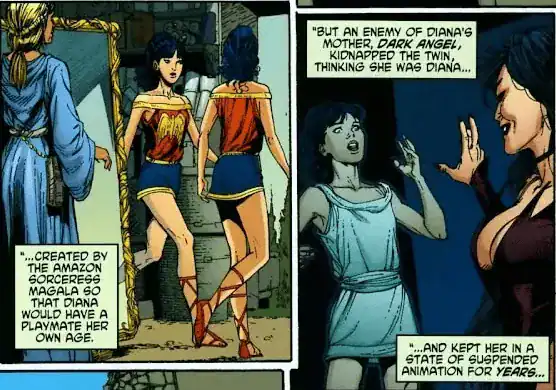
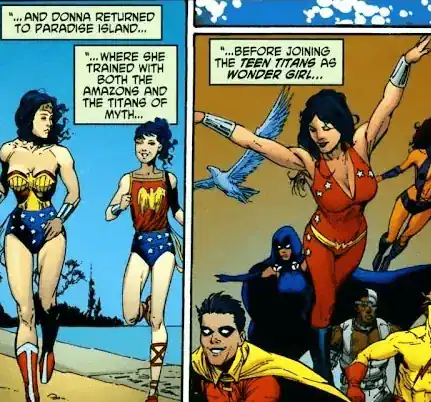
And that was the end of it… for another ten years.
Because in 2017 we had A FIFTH ORIGIN, with Wonder Girl being created as a living weapon to fight Wonder Woman and later given false memories by the Amazons.
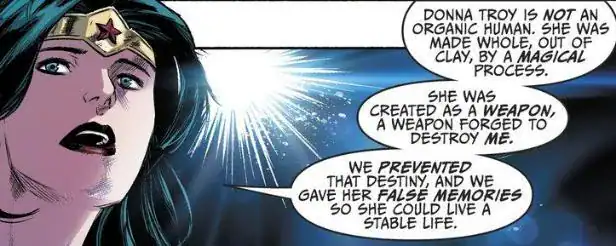
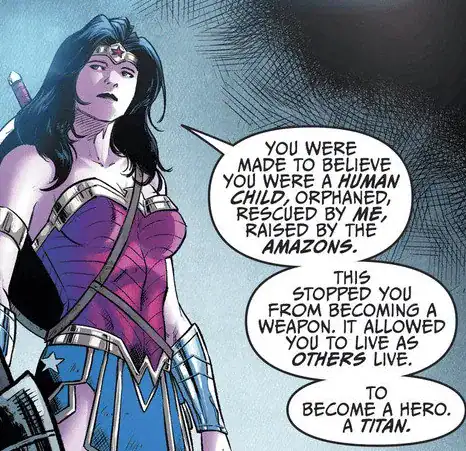
Up to this point the trend has been to give her a new origin every ten years or so.
But they didn’t wait that much for her SIXTH ORIGIN, which I believe is the current one, given in 2023.
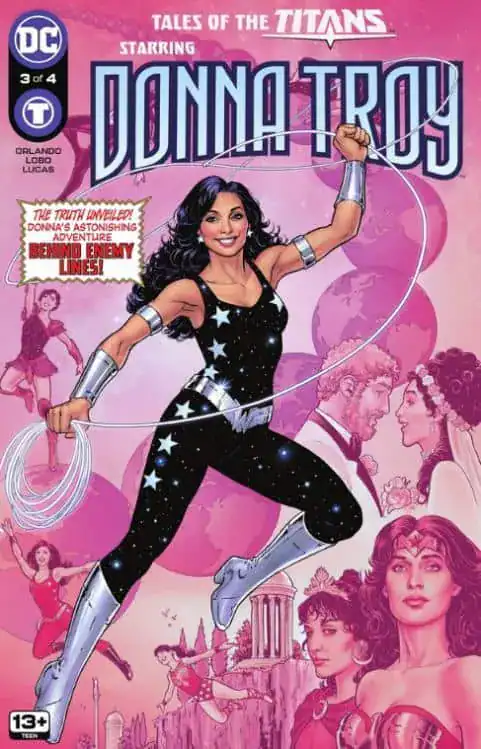
And after going through ALL OF THAT, the new stunning origin is… the same one she had in 1969.
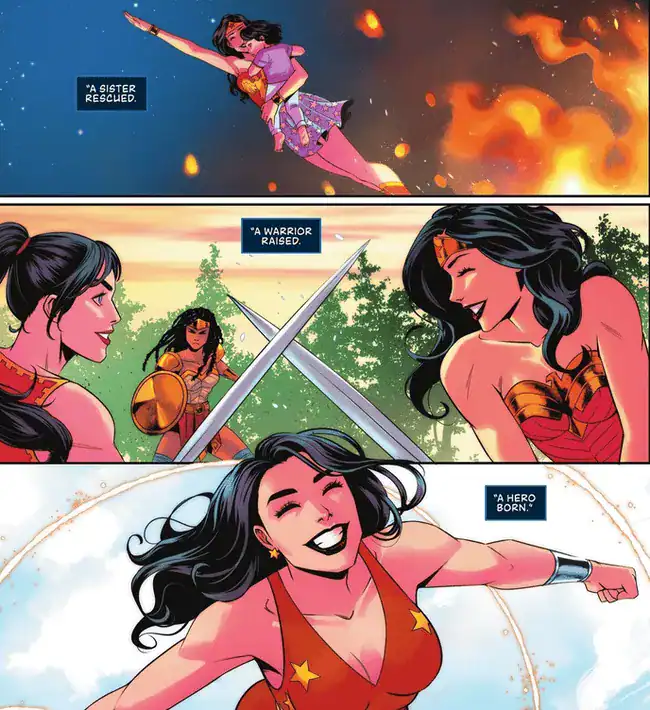
WAS IT REALLY THAT HARD TO KEEP IT SIMPLE???
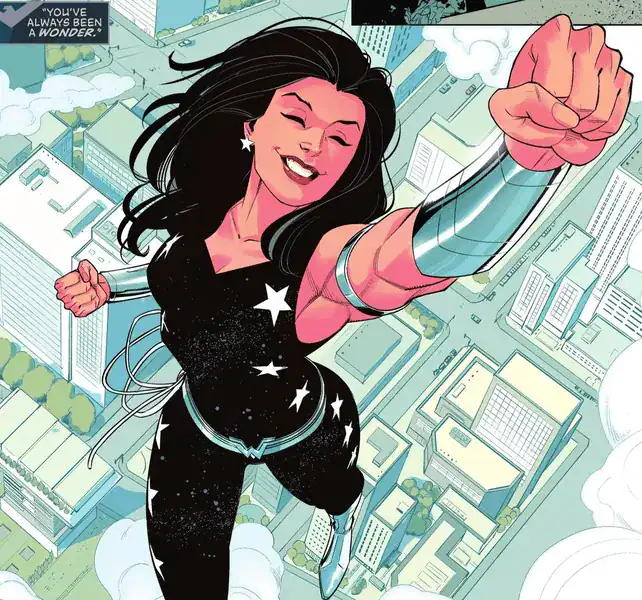
I look forward for this analysis to be out of date by the introduction of her seventh origin.
You know it’s going to happen eventually.
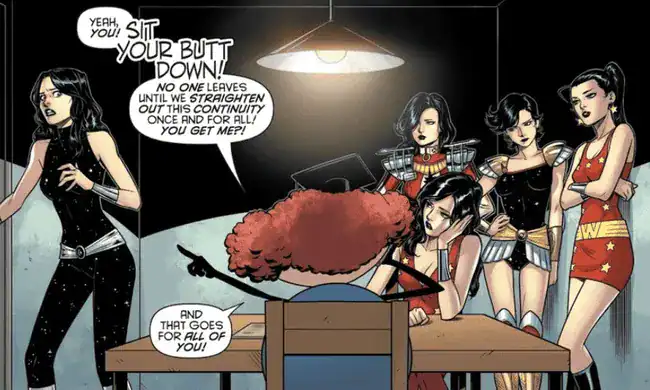
Gremmies, etc, is surfing lingo. I’m no surfer and too young to know exactly what without looking them up but I know that much.
What I just realized after reading this is that…Donna only needed two retcons. The first which established her as her own character, and the second so that Titans (the most popular book at DC at the time) could keep using her. Everything after that was just writers trying to fix stuff that wasn’t broken (and breaking her more in the process).
“The Farenheit’s terrific!” is my new go-to for saying, “Damn, it’s hot!” Probably won’t work as well outside the U.S., though.
Always learning something new from your retrospectives.
In this case, a mix of knowledge and perception.
I remember first seeing the 1980s Titans in a cover – I believe it was the joining of Terra – and wondering where all those new characters came from. I may even have attempted to convince myself that Cyborg was Mal Duncan. It is hard to oversell how daring and innovative the Marv Wolfman/George Perez Titans were back in 1980, particularly given that they were published by DC and based on a previously existing intellectual property.
It wasn’t that long before that the letters pages had writers and editors saying outright that Robin could not possibly change his costume because that would harm the commercial appeal of licensed merchandise (if only they knew what would happen in ten years time and even later…)
To a significant degree, the launch of that revamp was a call sign for DC to start to treat its property as characters subject to meaningful change.
Somehow I had never seen even a glimpse of this B&B #60 story until today (just the cover). It tends to be glimpsed over in the many retellings of the team’s origins.
#53 is notable for being the second cancellation of the series, but also for creating a second origin for the team – curiously, just about half a year after the JLA also got a secret, previously untold origin in their #144. #53 was also the first formal disbanding of the team IIRC.
I think that the Titans are inherently in an interesting and valuable position of the DC comics continuity, regardless of their specific circunstances. By simply existing as a team of youngsters with connections to various JLA members while having no direct supervision from those they raise lots of significant questions and end up showcasing the answers (and avoidances) of the editorial understanding of the time. Starting by that of how much autonomy such a team can possibly have, believe to have, and truly have. Really deep questions that bring a lot of insight into how the adult heroes see themselves and their role in wider society. For some reason I like to consider these matters and how they change as years pass.
One such change I just noticed from reading this article and correlating from previous reading: the nature of Amazon powers changed significantly since the early 1960s. In Teen Titans #22 we are told that Donna could only replicate them because Paula used the Purple Ray to change her molecular structure. I seem to recall a retelling in the 1980s or 1990s where she was instead given a small amount of power from each of an unspecified number of other Amazons by the Purple Ray instead. I want to believe it was during the Phil Jimenez run, but I am uncertain. I believe that more recently it was said that regular women could acquire Amazon powers by training in Themyscira, but I failed to find a source.
(If I may, there are a couple of typos in the article: New Teen Titans #38 came out in 1984, not 1980; and the post-Crisis revisting is named “Who is Wonder Girl?”)
„ I believe that more recently it was said that regular women could acquire Amazon powers by training in Themyscira, but I failed to find a source.“
Don’t know about the recent one, but that (very vague) idea was mentioned quite a bit in early Wonder Woman Stories. „Any woman can be a Wonder Woman“ or something like that.
“By simply existing as a team of youngsters with connections to various JLA members while having no direct supervision from those they raise lots of significant questions and end up showcasing the answers (and avoidances) of the editorial understanding of the time.”
Your observation builds nicely off of the panel in which Batman asks what the Teen Titans are. He’s such a good guardian that he didn’t know his ward had teamed up with two other teen heroes to save a town from a villain. Nor does he try to stop Robin from going off and risking his life or the lives of the heroes again. Of course, it’s just an excuse for an infodump, but it supports the idea that the Titans were basically latchkey kids.
I always liked Wonder Girl as a character, and her first origin–being rescued by Wonder Woman–was charming in its simplicity and sense of mystery. The 1984 retcon added poignant details–her mother was an unmarried teen, IIRC. That’s all we needed to know. I hated the convoluted Troia retcon. Knowing what the term means in Italian only shows the wisdom of the adage,”If it ain’t broke, don’t fix it.”
OK, now I am sure that Wonder Girl was created to be a creative laboratory for the homework theme: “Let’s do it complicated!”
Now I want a story in which Wonder Girl comes out of the comic book and starts strangling DC Comics with her lasso.
Gonna say it: DC has given creators way too much leeway with their IP. If a writer won’t work on a title unless he gets to screw up the character—well, there’s the door.
Haney could have just watched an episode or two of Gidget if he wanted to get teen surfer culture down. I suppose that would have been too easy.
If the Separated Man’s eye had cried normal tears, Aqualad could have swam up the tears and punched the eye to prevent a flood. Tears of fire makes no sense.
A gremmy is a newbie surfer (or a bad surfer). A hodad is someone who hangs out at the beach pretending to be a surfer, but doesn’t actually surf. A hot dogger is a showoff.
Donna Troy’s origins were re-examined yet again in the Titans 2025 Annual just over a year ago.
Continuity wise, Wonder Girl’s origin–and the Titans in general–have always been problematic for DC purists. Her story depicts Wonder Woman as an adult hero when Donna was a toddler, so maybe 12 to 14 years before the “present” of Donna’s membership in the Titans. Wonder Woman is immortal, so that tracks. But it becomes complicated if Superman was the first superhero of the Silver Age, as he was widely portrayed. This means that Superman, and by extension Batman, must be around 40 in the “present.” So, how old is Robin?
The notion that DC characters had to fit into some a realistic time period was, I think, borrowed from Marvel. With Marvel in the ’60s and ’70s, it was believable that Reed, Ben, and Nick Fury all fought in WWII and were now in their 50s. The ages of other heroes were less certain except for Spider-Man, who would have realistically aged from high school to his mid-30s during that period. But as time went on, Marvel instituted a “sliding time scale” that kept the advancement of time vague but much slower than real time.
But DC’s Silver Age began over a gradual period in the 1950s, so its heroes were older relative to when they became heroes. Hal Jordan was a test pilot, Barry Allen was a police scientist, etc. It is likely that they were at least in their late 20s when they became heroes. By the late ’70s, they would have been approaching 50, although they were certainly not depicted as such. The Titans, of course, were still teenagers the entire time.
Yet DC never really addressed this inconsistency until later, when Titans stories depicted the Joker’s Daughter/Two-Face’s daughter being born after her father’s horrific disfigurement. This means she was an infant while Robin was a teenager. Then there’s the wonderful Hawk and Dove story from The Brave and the Bold which was wonderful except for the continuity nightmare of depicting the two heroes in their ’30s while their Teen Titans teammates hadn’t aged.
Continuity problems are nothing new, and, for DC, they stemmed from the depiction of their heroes as larger than life, eternal and unchanging (marketing no doubt also played a factor). But as DC started to lose ground to Marvel’s sales, they borrowed more and more from the Marvel playbook. Alas, I think they borrowed the wrong things. Having the Titans gradually grow up, and even drop Teen from their name, was a positive step. Rebooting origins to patch up continuity “leaks” goes too far and results in a lot of navel gazing while trying to fix problems that do not need to be fixed. For Donna Troy, an easier solution might have been to acknowledge that Wonder Woman was active before Superman, perhaps in secret, as she was later depicted in the films.
I got in on the original Teen Titans series right as it was ending. By 1980 I was 13 years old and wanted to collect a series from its first issue. That’s about the only reason I purchased The New Teen Titans #1. At that time my favorite comics were World’s Finest and Detective Comics. It wasn’t long before the Titans became my favorite series. I ended up collecting the series for several years. There have been several revivals of the Teen Titans since the 1980 series – some good, some not so good. But none of them have succeeded in catching the “lightening in bottle” that was The New Teen Titans series.